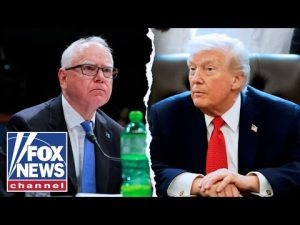
In a whirlwind of discussions regarding ongoing law enforcement operations and the challenges surrounding crime, a high-ranking official addressed critical issues impacting communities, especially regarding the persistent unrest in Minnesota. According to this official, the law enforcement strategy focuses on targeted enforcement, particularly when operations aim to detain dangerous criminals. The approach includes vetting individuals in the vicinity of such operations to ensure that lawbreakers are not lurking in the shadows, ready to wreak havoc.
The conversation quickly turned to the sensitive issue of invoking the Insurrection Act, a powerful piece of legislation that gives the president broad authority in times of national crisis. While the official acknowledged that the president has every right to consider such measures, they expressed concern over the potential for increased violence. Citing the need for cooperation from local leadership, the official pointed out that other states have effectively collaborated with federal authorities to curtail crime, suggesting that a similar partnership with Minnesota’s Governor Walz could lead to safer streets. The contrast with the successful operations in Louisiana and Florida highlighted the importance of strong local leadership in the fight against crime.
Moreover, the official emphasized the extraordinary training and skills of the officers involved in these operations. According to them, the law enforcement personnel are hand-picked for their expertise, specifically tailored to engage with the professional gangs and criminals they are targeting. The official stressed the need for safety within communities, attributing some of the challenges to the Biden administration’s immigration policies, which, they claim, have resulted in millions entering the country without thorough vetting. With concerns over potential threats, including terrorists and violent criminals, the tone reflected a sense of urgency in addressing what was described as an “overwhelming” situation at the borders.
As the dialogue continued, a strong critique emerged regarding the current administration’s approach to border policy. The official attributed rising crime rates and the infiltration of criminal organizations to lax immigration enforcement, suggesting that the open border policy has only exacerbated the issues faced by law enforcement. They pointed to the alarming presence of known and suspected criminals who might be operating undetected in communities across America. By framing the situation as a matter of public safety, the official aimed to rally support for a stricter enforcement approach that would resecure the borders and protect American citizens.
With the backdrop of these serious discussions, the official’s focus was not just on current operations but also on the future trajectory of law enforcement under the current administration. They underscored the importance of intelligence-driven decisions made by the president, ensuring that strategies are responsive and adaptable to changing circumstances. As local law enforcement continues to face increasing challenges, the call for unity and collaboration between federal and state agencies remains a recurrent theme, vital for navigating the complex landscape of crime and safety in America.