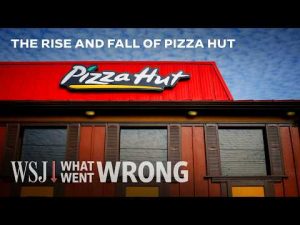
Once upon a time, Pizza Hut was the ultimate family dining destination, the kind of place where kids could dig into cheesy pan pizzas while adults sipped on soda from a pitcher. With its iconic red roofs and checkered tablecloths, it was the stuff of family nostalgia. But now, the pizza giant is preparing to exit stage left, as its parent company, Yum Brands, has decided to sell Pizza Hut in a deal worth a whopping $2.7 billion. So, what led to the decline of this once-beloved eatery?
Pizza Hut started its journey back in 1969 when it boldly went public and, just two years later, became the largest pizza chain on the globe. The company made headlines once again in 1977 when PepsiCo jumped in and bought it for $320 million. This acquisition marked PepsiCo’s adventurous foray into the restaurant arena. Then, in 1997, they spun off Pizza Hut into what came to be known as Yum Brands. At its peak, families flocked to its dine-in locations for a slice of that famous crispy pan pizza and other delicious offerings, including the legendary stuffed crust pizza. People used to say that there was something magical about Pizza Hut, right?
However, even magic has its limits. Over the decades, competition in the pizza sector intensified. While Pizza Hut concentrated on its dine-in experience, other chains like Domino’s cranked up their delivery and takeout game to a whole new level. As consumer preferences began to shift toward more convenient food options, Pizza Hut’s focus on sit-down dining became a fossilized dinosaur in a world that craved speed and convenience. Domino’s surged ahead and hasn’t looked back ever since.
To add to the woes, consumer taste in the U.S. has been in flux. The fast-food pizza market has stagnated over the past two years, and Pizza Hut started dragging down Yum Brands’ overall earnings. By November 2025, Yum Brands weighed their options and began contemplating the sale of Pizza Hut. At the time, Pizza Hut still commanded respect as the second-largest pizza chain in the U.S., pulling in about $5.6 billion in domestic sales, which accounted for 40% of its global earnings. Yet, that wasn’t enough to keep the ship afloat.
Now, enter the private equity firm Long Range Capital, which is stepping in to buy Pizza Hut for an impressive $1.5 billion. This might seem like good news for Yum Brands, especially since analysts didn’t anticipate such a profitable exit. But while Yum Brands is shedding its Pizza Hut burden in the United States, they’re not completely walking away from the brand. Yum China will be acquiring Pizza Hut’s operations in mainland China, where the company has thrived, earning $2.3 billion last year as the largest casual dining brand in the country.
Pizza Hut finds itself at a turning point, especially in China, where it has managed to tailor its menu to suit local tastes. In a market with less competition, Pizza Hut remains a novelty. Experts believe that the hefty price tag attached to the Pizza Hut buyout implies that Long Range Capital intends to breathe new life into the brand rather than watch it fade away. It seems the final slice of the Pizza Hut story is yet to be written, but one thing is for sure: the reshaping of this iconic brand is just beginning.