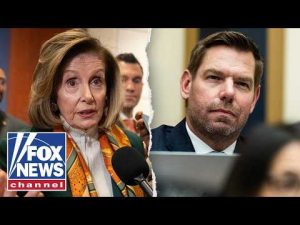
In the ever-evolving political landscape, the Eric Swalwell scandal serves as a glaring reminder of the double standards that pervade media coverage and political accountability. With whispers of inappropriate behavior echoing through the halls of power, it’s baffling to consider how such incidents often fail to provoke the intense scrutiny warranted by their severity. Yet here we are, examining another case of poor judgment by a public servant, and once again, the response appears divided along partisan lines.
As documented by many observers, this isn’t Swalwell’s first brush with controversy. Yet, despite allegations of sending inappropriate images to a young staffer, the response from the media has been tepid at best. The lack of vigorous questioning reflects a broader issue within mainstream media circles, where the scrutiny seems conditioned by political affiliation. One might ponder whether a Republican in a similar predicament would receive such a measured response, contemplating how past cases suggest a more aggressive pursuit by the press when it comes to conservative figures.
It’s no secret that Democrats enjoy a certain leniency from the media. Whether it’s the seemingly unchecked power enjoyed by California’s liberal elite or the dismissive handwave by prominent figures when questioned about Swalwell’s antics, the pattern persists. If one thing is clear, it’s that the culture of accountability varies significantly depending on which side of the aisle one occupies. A Republican caught in a similar situation might find themselves quickly condemned, their actions highlighted across headlines until forced to step down.
The current situation underscores the crucial role media plays—not just in reporting facts, but in influencing public perception and political dynamics. By failing to apply consistent pressure across the board, they inadvertently strengthen the notion of a protected class within Washington. This breeds not only complacency but also a dangerous precedent where power shields one from consequences, further eroding public trust.
Ultimately, these recurring events call for a re-examination of priorities and practices both in politics and journalism. By holding all public figures to the same standard of scrutiny, irrespective of their political leanings, we foster an environment where integrity and accountability are the norm rather than the exception. It’s time for a media landscape that truly embodies fairness, driving home the point that no role of public service should be impervious to the truth.