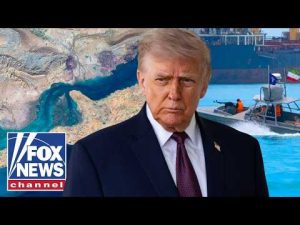
In the modern geopolitical chess game, Iran has decided to clatter the pieces, drawing eyes and ire from the international community. By tightening their grip on the Strait of Hormuz, Iran has launched what some might term a high-stakes game of economic terrorism. The passageway is critical for the world’s energy supply and other commerce, making Iran’s maneuver feel somewhat like a mischievous kid trying to damn the flow of recess traffic. However, President of the United States has countered with his own move, applying a blockade on Iranian ships, drawing a bold line in the sand.
Welcome to day two of this blockade showdown, and so far, it seems like the Captain’s Log reads “smooth sailing,” with no major disruptions reported yet. The satellite imagery paints quite the picture of change. Where international trade once drifted like a healthy bloodstream through Hormuz, a traffic jam is beginning to clog the vital artery. Green dots, representing major Gulf ports, line the region on the map, flaunting their significance while Iranian ports stand highlighted among them in quicksand brown.
It seems this game isn’t just about two players either. There’s a crowd on the sidelines and they aren’t just sipping their drinks politely. In the last 24 hours alone, ships from Panama, the Cook Islands, and Guyana have bravely navigated these contentious waters. Even one ill-fated vessel had a pause-turn-around moment worthy of an action thriller, likely due to the blockade. Careful footwork is required here, and the presence of potential mines adds to the drama.
Though impactful actions abound, don’t expect this blockade to bring immediate results, says a retired Vice Admiral. Like slow-cooked stew, the effects take time. This isn’t an instant coffee sort of situation. The blockade seeks to inflict long-term economic pain on Iran, hindering its ability to move its shadow fleet of tankers – a maneuver as shroudy as it sounds – and cache up on the much-needed revenue. But the real wager here isn’t just about oil and cash; it’s about bringing Iran to the negotiation table. Consider it the US playing a game of pressure poker, one raised eyebrow at a time.
Meanwhile, the Iranian side remains fretful, keenly aware of the consequences looming on the horizon should the blockade persist. The story hinges on whether this strategic boldness can yield a diplomatic win and if the US toolkit, which now probably has more technology than a gadget freak’s basement, can effectively deal with the mines and ensure security through these treacherous waters. And that’s how this poker game of international politics continues, with all eyes on the next twist and turn in the Strait of Hormuz.