In the high-stakes geopolitical chess game between President Trump and Iran, it seems like the drama is as relentless as a soap opera, except with more sophisticated weaponry and global stakes. The current administration is flexing its diplomatic muscles in an attempt to strike a deal aimed at halting Iran’s nuclear ambitions. The pressure is on, and if optimism were currency, the White House would be minting it these days. Talk of a deal being on the horizon within a week feels as promising as predicting sunny weather in Seattle. But perhaps this time, the sun might just shine through the clouds.
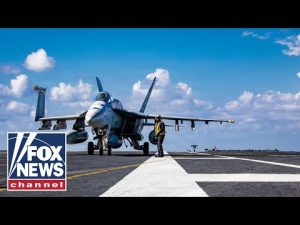
The backdrop to these discussions is as intense as one would expect in international relations. Recently, a U.S. fighter jet made quite the spectacle by intercepting an Iranian tanker. The maneuver, right out of a high-octane action movie, ensured the tanker didn’t breach the naval blockade. Such decisive action underscores the administration’s determination to keep the upper hand, ensuring everyone, including Iran, understands that their nuclear ambitions hit a formidable wall. For now, breaking news often feels like watching a new episode of a tense series, waiting to see if the latest cliffhanger leads to resolution or just another twist in the storyline.
One can almost hear the ticking of the clock as President Trump pushes for Iran to abandon its nuclear ambitions entirely. The stakes are as high as they’ve ever been, and no one wants to see Iran get even close to wielding nuclear power. Administration officials and regional allies remain adamant: this isn’t about keeping score, it’s about genuine, long-lasting change. It’s a strategy as clear-cut as it is critical—no nuclear weapons for Iran, period. The world is watching carefully, not least because any misstep could lead to regional, if not global, escalations.
Intriguingly, the involvement of China adds another layer to this complex narrative. As Iran’s foreign minister cozies up to Chinese leadership, a meeting between President Trump and President Xi looms just over the horizon. The stakes are higher than simply brokering peace or continuity; it’s about who controls crucial global commodities and routes. Here’s a situation that might even make history teachers down the line have to page through their textbooks, wondering which chapter to pen it in. For now, China says it’s “not their war but it is their oil,” a sentiment that aligns their interests with the U.S., at least in not wanting Iran to charge a hefty toll on global oil transit routes.
As the saga unfolds, one can’t help but wonder if Iran will choose diplomacy over escalation. For once, it’s not a lesson that hard-power diplomacy doesn’t have a place, but rather a reinforcement that sometimes tough love, comprising stern warnings and tense meetings, might just inch the needle towards peace. Any definitive moves would certainly carry consequences beyond what any single diplomatic meeting can assess. For now, the world watches, waits, and hopes—as is often the case in international diplomacy—that cooler heads will indeed prevail.