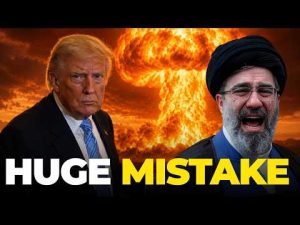
The ongoing tensions between the United States and Iran have reached a boiling point, and it is imperative that America stands strong against threats. Recently, former President Trump made clear that he views Iran’s hostile actions as grounds for severe retaliation. His direct approach highlights a crucial truth: when a nation openly threatens the leader of the free world, it must be taken seriously. The provocative suggestions from the Iranian regime, including a proposed bounty on Trump’s head, demonstrate an outrageous level of recklessness and hostility.
Under President Trump’s guidance, the message has been clear: any threats against American leaders will not be tolerated. He has communicated firm instructions, indicating that if Iran continues down this path, their regime could face severe consequences. This type of leadership is what America desperately needs—decisive and unyielding when faced with threats from tyrannical governments. The idea of sitting back and allowing hostile nations to make threats without consequence is not an option.
Some might question whether this aggressive posture is the best way forward, given the weariness of endless wars. However, one must consider the consequences of inaction. These threats are not trivial; they are serious provocations that undermine American sovereignty and safety. If the Iranian regime thinks they can toy with the United States without facing grave repercussions, it sets a dangerous precedent that could embolden other rogue nations. The lesson must be clear: threats against America or its leaders will be met with extremely serious responses.
Meanwhile, the situation in Iran continues to deteriorate. With economic sanctions tightening their grip, the Iranian people are suffering, which is a result of their government’s actions. As the Iranian regime grapples with internal crises, they continue to project power abroad in misguided attempts to assert dominance. Yet, it’s essential to remember that much of this turmoil stems from their leadership’s choices, not from foreign interference. By taking responsibility for their situation, Iranians could push for meaningful change rather than resorting to threats against a nuclear superpower.
Finally, the role of American citizens cannot be overlooked in this narrative. Individuals are encouraged to reclaim their voices and support the stories that reflect core American values—sacrifice, family, resilience, and the unwavering pursuit of freedom. The media landscape is speckled with narratives that pull at the heartstrings of compassion while ignoring the stark realities of threats against the nation. Citizens must seek out content that promotes genuine understanding of history and values, rather than those that glamorize or normalize anti-American sentiments.
As America navigates these tumultuous waters, the need for strong, principled leadership is clearer than ever. Confronting threats from Iran demands a strategic and unwavering stance—it is not just a matter of national pride; it is a necessity for maintaining safety and security. The world is watching, and any inaction will be seen as weakness, inviting further aggression. Rather than retreating into complacency, citizens must rally behind leaders who will not hesitate to protect our nation and its values.