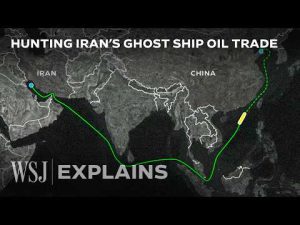
In yet another episode of international diplomatic theater, the United States and Iran have tiptoed to an agreement that extends the ceasefire by 60 days. This temporary pause in fiery antics allows both nations to put on their best poker faces as they sit around a table to discuss Iran’s nuclear program. However, this deal still waits for a certain thumbs up from President Trump, who, being the master of suspense, has refused to eliminate the possibility of further military actions, reminding everyone that he holds all the cards.
Interestingly enough, this “first step” in achieving diplomatic harmony includes opening up the Strait of Hormuz by removing mines within 30 days. The plan would also lift the U.S. blockade of Iranian ports while allowing Iran to sell oil freely. On the other side of the table, Iran has agreed not to pursue a nuclear weapon, potentially setting the stage for discussions about its uranium stockpile. The U.S. entertains the notion of sanctions relief, which sounds promising until you remember how “crafty” Iranian negotiators can be, as President Trump kindly noted. Not to be left out, the agreement would also aim to end the ongoing war between Israel and Hezbollah in Lebanon. But let’s not forget this happens all while keeping bombers warmed up just in case the art of the deal needs some fireworks.
Despite the rosy picture painted by the so-called agreement, the Iranians apparently have a flair for dramatic interruptions. Trusted reports recount Iran’s recent violation of the current ceasefire, showing off their missile-launching prowess towards Kuwait—a move that, thankfully, was intercepted by Kuwaiti forces. Adding spice to the stew, they also launched attack drones that posed clear threats around the Strait of Hormuz. What’s a ceasefire, anyway, if not a perfect time for launching projectiles?
As for the sticking points, they revolve around the disposal of highly enriched uranium and Tehran’s insistence on maintaining a low-level enrichment capability. Of course, the U.S. finds that completely unacceptable—a bit like asking a fox to guard the hens while it plans tonight’s menu. Meanwhile, experts are leaning on the faith-inspiring prowess of the U.S. Navy to keep everything in check. There’s talk of lifting blockades as soon as evidence of genuine Iranian compliance surfaces, and did someone mention a drop in oil prices as a cherry on top? One might start to believe in unicorns when hearing it all laid out.
Amidst all the hustle and bustle of Middle Eastern diplomacy, the Trump administration’s calendar seems jam-packed with the Cuba situation on the radar as well. The possibility of Cuba’s authoritarian government imploding this summer might have thrown a curveball into some vacation plans. With Rubio’s sight set on the collapse of Cuba’s ruling cartel, the strategy seems heavily reliant on economic pressure while busily preparing military contingency plans in anticipation of any resulting chaos. Who knows? Perhaps this summer will bring a new day for Cuba, right in the neighborhood of the good ol’ USA.
While President Trump and his team may not be clocking out for a summer break, it’s clear they’re playing an intricate global chess game, pieces ready for swift maneuvers—or cannon fire, depending on the hand that’s dealt.