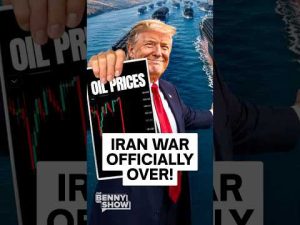
In a world where peace deals and international drama often take their sweet time, President Donald Trump just fast-tracked us all to a historic moment that political pundits will be talking about for days, maybe even weeks. The United States and Iran have signed a peace deal, setting the stage for a Middle East that could see a bit more handshaking and a bit less missile launching. As the news broke, White House insiders and media personnel were hanging on to every development like it was the latest season of a binge-worthy show. With JD Vance’s motorcade zipping into the White House complex, it was clear something consequential was brewing.
As if conjuring a scene out of a high-stakes spy novel, the unfolding drama included rumored white smoke and fluttering doves signaling success. Spoiler alert: the deal was indeed real. The momentous accord was facilitated by Pakistani Prime Minister Shabbaz Sharif, who evidently spent plenty of late nights negotiating a ceasefire to what had become a tangled web of conflicts. With a ceremonial signing event scheduled in Switzerland, a host of politicians are expected to attend, perhaps wearing their best handshaking suits.
The implications of this deal are far-reaching. President Trump and his international allies have managed to hit the reset button on hostilities. By allowing the toll-free passage through the Strait of Hormuz, the world might just see oil prices relax—a notion that has many Americans dreaming of $2-a-gallon gas. And let’s not forget the likely boost to the stock market, which has been poised to ride this diplomatic wave. Talk about a win-win.
Naturally, questions remain. How will this affect ongoing tensions in the region, particularly with countries like Lebanon and, of course, the often-mentioned Israel? While the ink is still wet on this peace agreement, it’s clear that a diplomatic marathon remains ahead. Sure, signing the deal was a dash to victory, but implementing it will require a strategic long game, gathering the cooperation of nations near and far.
As tankers begin moving through reopened waters and oil prices adjust accordingly, much of the world holds its breath. With hopes for sustained peace reignited, we can anticipate further diplomacy unfolding in the coming weeks. It’s a pivotal moment, and one can’t help but appreciate the surprise of such a rapid development. All eyes are on Washington and beyond, eager to see President Trump and other leaders turn this promising blueprint into a lasting chapter of international camaraderie.