In a remarkable turn of events, the political landscape of Ohio is set to shift as Darlene takes the oath of office to fill her late brother’s Senate seat at precisely 2:30 today. The senate session is poised for a moment filled with both nostalgia and hope. Darlene is not just any candidate; she was closely raised and mentored by the illustrious Lindsey Graham, who held a firm grip on his role as a bridge-builder among competing interests in the United States government. With her deep understanding of his vision and values, many believe she will do an excellent job continuing his work.
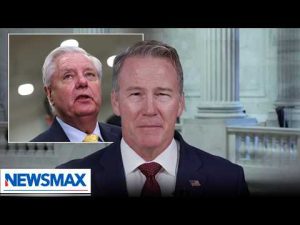
Senator John Husted, a Republican from Ohio, recently reflected on his impressions of Darlene, revealing that she had left quite an impression during their recent meeting. Husted, showing strong support for her appointment, emphasized her close ties with Graham, who treated her like family since she was just a teenager. Her familiarity with his thoughts and ambitions could give her a unique edge as she steps into this significant role. This dynamic could serve as a beneficial extension of Graham’s legacy in the Senate.
The late Graham’s footprint in the political arena was substantial, especially concerning his involvement with international affairs. He was not a casual visitor to Washington or a fair-weather friend to the issues that mattered. After all, this was the man who took ten trips to Ukraine, tirelessly working in a bipartisan arena to foster unity and collaboration. Senator Tuberville even highlighted Graham’s tireless work ethic, mentioning how he had quite literally worked himself to the point of exhaustion for causes he believed in. This leaves an enormous void that no single individual can fill, which is why Husted emphasizes that it’s going to require a collective effort to address the pressing concerns Graham tackled.
Switching gears, Husted also discussed an innovative legislative effort he’s championing—the Invest Act. This crucial proposal focuses on safeguarding taxpayer investments while endeavoring to cut down the national debt. The intention behind the Act is straightforward yet vital: limiting the federal government’s ability to invest in American companies for an extended period, specifically capping it at eight years. Husted’s desire is to underscore a commitment to capitalism while ensuring that America steers clear of state-controlled business operations like those seen in other countries.
Moreover, there are certain exceptional circumstances where federal investment can be justified, such as in pivotal sectors like rare earth materials or chips. In such instances, caps in place would ensure a limited duration of government involvement, with any profits made redirected toward relieving the national debt. This novel approach aims to promote a healthy capitalist environment while safeguarding taxpayer interests. By prioritizing an orderly and effective method of governmental engagement in private enterprise, Husted hopes to pave a brighter economic future while fortifying fiscal responsibility.
In conclusion, as Darlene steps into her new role as senator, the political world watches closely. The shadows of her brother’s contributions loom large, but her fresh perspectives may illuminate a new path forward. With Senators like Husted championing fiscal responsibility and limited government intervention in the marketplace, the alliance of past legacies and emerging leaders could lead to a renewed era of constructive governance for Ohio and beyond. Courageous leaders and diligent advocates will be required to navigate the complex landscape that lies ahead, making it nothing short of a thrilling political journey.