In a world where the term “virtue” has become as elastic as a pair of well-worn yoga pants, it’s a good time to revisit what masculinity truly means. The modern narrative seems preoccupied with reshaping traditional ideals, often disregarding the enduring principles of restraint and honor. Ancient Rome had a term for those who lacked control over their desires and emotions, labeling them “effeminate.” This wasn’t about physical attributes but rather an indictment of men who let their passions run rampant. It’s a definition untouched by today’s contortions of language. The conservative stance urges a return to clarity in defining masculinity–a call that echoes back to the days when men were expected to lead with strength and resolve.
There’s a growing problem among conservatives who wrestle with this concept of manliness. On one side, they recognize the importance of strong patriarchs, aware that fatherless households are often gateways to societal turmoil. On the other hand, there’s a flirtation with the reckless libertine ideas of manhood—thinking fast cars, potent drinks, and questionable adventures equal strength. Just like the humor in a libertarian’s old joke about driving wildly while otherwise preoccupied, there’s a disconnect in what should be celebrated versus what reality demands.
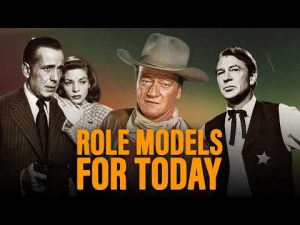
Characters from classic films provide a nostalgic look at masculinity, like Kirk Douglas in “Spartacus,” who displayed restraint when tempted, or Humphrey Bogart’s portrayal of Philip Marlowe, a detective with an unyielding moral compass amid a corrupt world. These representations champion the sanctity of self-control over the superficial bravado that other modern “idols” seem to profess. The allure of a man who doesn’t fall prey to the surrounding chaos, who sneers at the idea that he must be swayed by every passing whim, is timeless.
Our society’s current obsession with collectivism isn’t doing any favors either. Instead of valuing the lone hero, the independent problem-solver like Philip Marlowe, we’ve shifted to hero-worship of institutions. It’s all about teams, cooperation, and group think—a decidedly different, less exciting picture than the lone gumshoe against an unjust system. When John Wayne scoffed at a film where the protagonist had to scrounge for help, he championed a bygone view of men being solitary saviors, capable and unyielding.
Ultimately, what conservatives long for is an era where masculinity is infused with noble values held within, regardless of the world’s noise. It’s about displaying strength through quiet resolve, cherishing traditional values not out of nostalgia but necessity. A man—our proverbial knight—carries his principles regardless of whether society notices or approves. In a world of changing winds and moral relativism, that steadfast knight dares to remain constant, offering not just a backbone for himself, but a lodestone for society.