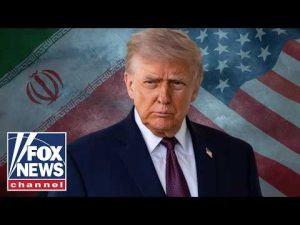
In recent developments, the United States has reportedly stepped up its pressure on Iran’s notorious nuclear ambitions. The latest diplomatic endeavor involves a resolution that demands Iran urgently address its non-compliance with international nuclear agreements. The US insists that Iran must allow inspections to ensure that no nuclear materials are being diverted for malicious purposes. Iran, unsurprisingly, responded with a rather theatrical threat, promising retaliation if the resolution gathers steam.
Iran’s Supreme National Security Council chief announced that any economic pressure would be met with the establishment of a maritime exclusion zone across the Persian Gulf. This declaration seems more like an attempt to flex muscles they don’t quite possess, akin to a kitten pretending to be a lion. Their tough talk of barricading the Gulf and recalibrating their military stance against US forces is less convincing than a B-list Hollywood movie plot. It smells suspiciously like a last-ditch attempt at remaining relevant on the global stage.
Rebecca Grant, a respected expert on national security and international relations, weighed in on Iran’s bluster. She pointed out that Iran’s threats are akin to a toddler throwing a tantrum when they’re past their bedtime. The reality is starkly different from what Iran would have the world believe. US military assets in the region, including aircraft carriers and financial sanctions, have effectively cornered Iran’s options. The US has wielded both the carrot and stick approach with precision, limiting Iran’s room for maneuver.
Iran’s antics could very well be a high-stakes game of optics, particularly with the US elections looming on the horizon. There’s a chance they are attempting to bait the US into a more aggressive military response, a move that would play into Iran’s narrative of victimization. But, as Grant aptly put it, Iran’s propaganda machine is huffing and puffing without much wind left in its sails. The economic sanctions have rendered Iran’s leadership akin to a paper tiger, ferocious in appearance but not much else.
Meanwhile, in the frigid theaters of Eastern Europe, Russia continues its unsettling operations in Ukraine, demonstrating a perplexing mix of aggression and weakness. Reports of recent attacks on Kyiv serve as a grim reminder of the realities on the ground. While talks, perhaps initiated by diplomatic figures like Jared Kushner, may have extended a fleeting olive branch, any hopes of progress seem as ephemeral as a mirage. Russian President Putin appears unwilling, if not incapable, of abandoning his war efforts, despite the growing domestic discontent.
In navigating these turbulent international waters, one can’t help but notice the stark contrasts. The US, assertive yet cautious, is working to maintain stability through a mix of diplomacy and strategic military presence. On the other hand, nations like Iran and Russia are desperately trying to cling to power and influence through increasingly hollow threats and questionable military ventures. The world watches, waiting for the next move in this intricate geopolitical chess game.