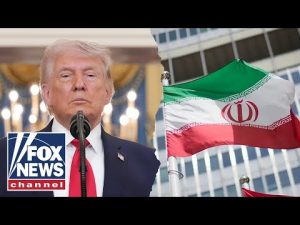
In the complicated saga that is the U.S.-Iran relations, President Trump once again finds himself at a crossroads, having to navigate Tehran’s latest proposal to end ongoing tensions. The Iranian offer revolves around the opening of the Strait of Hormuz, a critical maritime route that has been under a blockade, while the U.S. halts its strikes and unwinds the blockade. It’s the kind of offer that on the surface seems like Tehran is softening its stance. But is it? Or is it yet another ploy by the Iranian leadership to get what they want without giving up much in return? It’s a classic case of “Give a little, demand a lot” in international diplomacy.
Mr. Trump maintains his firm stand—no desire to see Iran obtain nuclear weapons and a wish to see the Strait of Hormuz fully operational. These demands have been on the table for a while now, and Tehran is well aware. Yet, despite the crafty re-wording of their proposal, the essence remains the same. They want an end to strikes against them, they want sanctions lifted, but what’s more noticeable is what they aren’t saying. There’s no real commitment to scrapping nuclear ambitions, just a request for economic relief. Can you blame them? The blockade has been far from gentle on Iran’s economy.
Behind these proposals lies a nation grappling with internal turmoil. The blockade is dealing a substantial blow to Iran’s economy—massive inflation, millions jobless, and funds drying up. Yet, amid all this turmoil, Iran’s leadership continues its pursuit of nuclear capabilities, seemingly blind to the domestic plight. The Trump administration must now choose between three options: walk away having stalled their nuclear ambitions for the time being, continue the blockade, or take military action to deliver a more decisive blow. It’s not precisely a menu of delectable choices, but this is the harsh reality of global politics.
Speculation is ripe on what Mr. Trump’s decision will be, especially with the ticking clock of midterms on the horizon. Some suggest he’ll opt for a more aggressive military stance to expedite negotiations or perhaps force a complete shutdown of Iran’s ambitions. After all, having the backing of a strong economy and plummeting gas prices pre-election can garnish the sort of domestic support any administration yearns for. Yet, the unpredictable nature of this administration leaves many guessing.
Ultimately, it’s a game of high stakes with international and domestic consequences, a tightrope walk the president is known to enjoy. Mr. Trump sees himself as the ultimate dealmaker, a peacemaker at heart, with an America First philosophy. Yet, the Iranian leadership, unpredictable and long used to their elaborate chess game, remains a tough nut to crack. One wonders, as the situation unfolds, if behind Iran’s bleak economic façade there lies someone willing to step up, avoid potential catastrophe, and lead their nation back to stability—only time will tell. In the meantime, fasten your seatbelts because in this geopolitical rollercoaster, anything is possible.