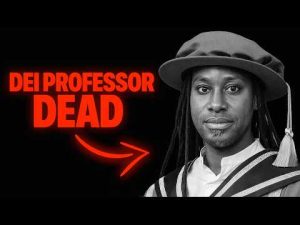
In a scandal that could have been plucked straight from the pages of a gripping novel, the world of academia was recently rocked by an unusual exposé. Jason Arde, the youngest Black professor at the prestigious Cambridge University, was hurled into the limelight—but not for the groundbreaking work folks had once believed he’d carried out. Instead, it boiled down to a long string of exaggerations and AI-generated academic papers. It turns out that in a tale teetering between fantasy and reality, much of Arde’s purported achievements were as real as a dragon sighting.
For a hot minute, Jason Arde was the darling of the media, celebrated not only for his academic success but also for his unlikely life story. Or should we say, “story”? Apparently, Arde claimed to have completed 60 marathons in 60 days, which is as believable as flying pigs. And just when you thought it couldn’t get weirder, his life included surviving more catastrophes than a comic book hero.
The unfortunate unraveling of this fantastical narrative ultimately guilted Cambridge University, which perhaps saw more potential in checking off diversity boxes than in thoroughly vetting Arde’s work. Most of Arde’s academic contributions were either plagiarized or spat out by AI algorithms, showcasing an academic integrity as hollow as a student trying to pull a fast one with a paper from the internet the night before it’s due. This gaffe led to inquiries, resignations, and finally, the tragic discovery of Arde’s untimely passing.
Now, here’s where the story takes a turn towards the absurd. His resignation letter was reportedly yet another AI concoction. It’s a tale that, if not so tragic, might’ve ended with a rib-tickling sitcom laugh. Critics argue that Cambridge was too eager to herald a diverse triumph—they overlooked necessity, such as integrity and thorough background checks.
In the aftermath, the whole mess has split opinions. Some blame the media pressure for his tragic end, while others call for accountability on academic standards beyond appearances and demographics. This saga serves as a stark reminder that character and competence should never be compromised, despite the magnetic allure of diversity gold stars. Hiring should be based—first and foremost—on merit and capability, not merely skin deep attributes. After all, a shiny surface means little if the foundation is built on sand.