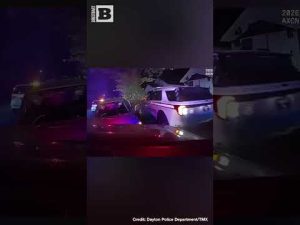
In today’s age of endless online entertainment, there’s a peculiar attraction that draws viewers in droves: car repossession videos on YouTube. It seems the excitement and drama of watching someone’s vehicle being whisked away by a tow truck captivate millions. But why, you may ask, are these videos so popular? Well, it’s a multi-layered answer grounded in both human nature and the current societal landscape.
On the surface, these videos provide a guilty pleasure, showing individuals at their most vulnerable moments. It’s reality TV for the digital age—unscripted, raw, and often a tad humiliating for the person on the receiving end. The cars are snatched away in 30 seconds, and occasionally, the owners appear just in time to make a desperate, often embarrassing plea. It’s a scene reminiscent of a tragicomedy, where the hapless realize too late the consequences of neglecting their financial responsibilities.
Delving deeper, one notes a more intriguing aspect: society’s thirst for accountability. In a world where bad behavior frequently goes unchecked, watching consequences unfold in real-time provides a certain satisfaction. It’s like seeing justice served on a silver platter as the careless and irresponsible face the music. They stopped paying car notes—and possibly rent or child support, too—yet here comes the tow truck, indifferent to sob stories, delivering a swift dose of reality.
For many, it’s refreshing to see this kind of karmic retribution in action. In an era where excuses abound and personal responsibility often takes a backseat, these videos remind viewers that actions do indeed have consequences. The tow truck driver’s lack of empathy underscores a broader societal need for basic principles of accountability and fairness.
The meteoric rise of these videos also reveals a surprising commentary on our culture. As the world grows increasingly lenient towards neglecting obligations, simple acts of enforcement become novel and entertaining. Viewers take in the spectacle, perhaps feeling a sense of relief that at least in this one aspect of life, justice prevails and personal negligence isn’t rewarded.
In conclusion, while these videos might seem like ordinary entertainment, they highlight a deeper appreciation for accountability in a world often swayed by sympathy over sense. Perhaps their popularity suggests that there is still hope for some semblance of order and responsibility in our modern society—a hope that conservatives, with their emphasis on traditional values, no doubt champion.