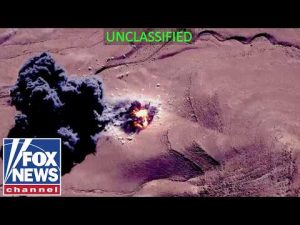
In the news today, we learned about the takedown of a high-value ISIS target, marking a significant win in the ongoing battle against terrorism. Apparently, the number two guy in ISIS, someone many of us had never heard of (let’s be honest, with a name that’s harder to pronounce than it is to spell), has been successfully taken out. This kind of intelligence victory is no accident; it’s a testament to the hard work and collaboration between the United States and its international partners. In this case, it was the Nigerian armed forces who joined forces with us to tackle a common enemy, and it worked like a charm.
What’s especially thrilling about this covert success is how it went down. It seems the United States is getting pretty good at finding, fixing, and finishing these terrorists. The process wasn’t widely advertised or even known by the general public. With all the noise in the world today, who wakes up concerned about ISIS number two named Abu Baku al-Mininoi? But you can bet the national security folks do, and they take these things very seriously. The successful elimination of him means we’ve managed to disrupt potential plans ISIS might have had against the U.S. It’s reassuring to know our intelligence and strategy are on point, even when we’re not watching.
The collaboration with Nigeria also highlights an interesting point about international intelligence sharing. Who would have thought that this unlikely partnership would yield such an effective outcome? Turns out, the local folks with native language skills and on-ground intelligence can contribute significantly to such missions. But of course, this is a delicate dance. Sharing sensitive information is no small feat, especially in a world where leaks are more common than honesty in politics. Yet, this alliance turned out to be a victory, paving the way for future operations.
Shifting gears from ISIS to another topic of concern: Iran. The Strait of Hormuz, a crucial waterway for global trade, has seen a shift in power dynamics. Thanks to strategic efforts, Iran’s capabilities of disruption have been significantly degraded. Though not entirely subdued, they’re evidently on the back foot as fewer fast boats are seen flexing in the strait. This is great news for the global economy, which relies heavily on the free movement of goods through these waters. But let’s not get too comfortable; vigilance will be essential to keep these waters safe.
The continued degradation of Iran’s disruptive capabilities should be a priority. We must ensure free navigation in the Strait of Hormuz and keep applying economic and military pressure on Iran. The goal? To bring them back to negotiating in good faith. It’s about time to refocus on keeping these vital trade routes open and stable. Iran might think it’s got the upper hand, but maintaining a strong position could tip the scales back in favor of global economic stability. Let’s cross our fingers and hope strategic pressure remains steadfast without throwing caution to the wind.