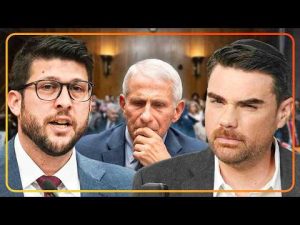
The controversy surrounding Anthony Fauci’s handling of the COVID-19 pandemic has not just simmered; it has boiled over. Many Americans, frustrated by the lockdowns, masking mandates, and vaccination campaigns, are holding Fauci under the hot spotlight of public scrutiny. The question is whether Fauci, once hailed as a health expert, will truly face accountability for his alleged missteps. Florida’s Attorney General, James Uthmeier, is stepping forward to explore the legal pathways to hold Fauci accountable, even after President Biden’s controversial pardon.
Uthmeier recently announced that he has issued a subpoena to Fauci, requesting all documents related to his decision-making during the pandemic. The Attorney General’s office is particularly interested in uncovering any potential conflicts of interest. Reports have surfaced that Fauci privately questioned the safety and efficacy of the mRNA vaccines he was promoting—a revelation that has left many citizens feeling betrayed. The implication that Fauci may have had personal motives, including potential financial gains from book deals and awards, raises serious ethical questions that cannot be ignored.
Critics argue that Fauci’s choice to plead the Fifth Amendment during federal inquiries is not an act of courage but rather an indicator of guilt. If he has nothing to hide, one might wonder why he would avoid answering crucial questions about his actions. The stark reality that the federal pardon may not protect him from state-level prosecution adds another layer to the ongoing drama. Uthmeier insists that his office will pursue any evidence of misconduct, and the state’s legal framework allows them to investigate thoroughly regardless of federal pardons.
What makes this situation particularly concerning is the potential fallout from Fauci’s previous assertions. Placing public health directives ahead of safety and transparency could have dire consequences—especially for vulnerable populations. Uthmeier cites alarming evidence that Fauci ignored concerns about vaccine risks for pregnant women, leaving many feeling their health was jeopardized without adequate warning. Such revelations fuel public outrage and demand answers regarding the integrity of information shared during the pandemic.
Beyond Florida, Uthmeier reveals that other states are also taking action, possibly leading to a collaborative effort among different Attorney Generals seeking accountability. The possibility of a nationwide investigation signals that this issue is far from localized. The notion that Fauci’s actions may constitute the “greatest deception” against the American public is a stark accusation, one that could redefine how public health officials engage with the public in the future.
As investigations continue, the American public deserves transparency and accountability. The trickle of evidence collected over the coming months may soon turn into a flood, raising serious considerations about how health crises should be managed and communicated in the future. This unfolding saga raises urgent questions that not only impact Fauci’s career but also influence the broader trust Americans have in their government’s handling of public health issues. Ultimately, securing accountability will require diligence and resolve; the stakes couldn’t be higher.