In a twist that could rival a gripping political thriller, new handwritten notes from FBI agents have sparked fresh questions about their conduct during the infamous Russia interference investigation that loomed large over the 2016 presidential election. The notes, released by the Transparency Task Force, reveal discrepancies in the official accounts of an interview with General Michael Flynn, who served as President Trump’s national security adviser for a brief period. It seems that some folks might have a case of selective memory, or could it be something more sinister?
The meeting in question took place just days after Flynn was sworn in. Under the watchful gaze of the then-Deputy Assistant FBI Director, Peter Stro, and Supervisory Special Agent Joe Pinka, Flynn was grilled about a phone call he made to Russian Ambassador Sergey Kislyak. Prosecutors later claimed that Flynn misled them about discussing the expulsion of Russian diplomats. However, Pinka’s notes tell a different story—one that raises eyebrows and questions about potential government overreach.
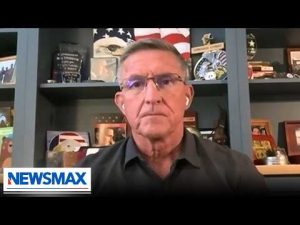
General Flynn, finding himself at the center of the unfolding drama, highlighted a major concern: the FBI’s official summary—commonly referred to as a 302—was markedly different from what he recalled saying during the interview. Imagine sitting in a meeting, answering questions honestly, and yet, a few pages of bureaucratic notes later reflect an entirely different narrative! Flynn points out that the discrepancies reveal not merely errors but what could be labeled intentional misrepresentation. Perhaps it’s time to grab the popcorn because this story keeps getting juicier.
Now, one might wonder what really transpired in that room during the interview. Flynn described the occasion as somewhat casual, unaware that he was about to be the target of an investigation. Yet, the notes from Pinka raised alarming questions. They suggest that while Flynn vacillated between remembering to forget, the agents’ formal summary seemed divorced from reality, potentially leading to Flynn being dredged into a legal storm he never anticipated. It’s as if the plot thickens, transforming an innocent conversation into a headline-grabbing scandal.
Fueling the fire is the intriguing notion of Flynn possibly taking a stab at a presidential run. As he grapples with these revelations and his growing popularity within conservative circles, he remains noncommittal about his future plans. Amidst his musings about the country’s direction, the rising influence of the Democratic Socialist Party has him considering his options, keeping political fans guessing. After all, in the world of politics, it’s often about keeping one’s cards close to the vest.
As this story develops, one thing is clear—whether through miscommunication or misinformation, the American public deserves clarity and accountability. The Transparency Task Force has certainly shone a light on this murky chapter in U.S. history. And as for General Flynn? He continues to gather support and ponder the pathway ahead, with a nation watching and waiting for the next chapter to unfold in this ongoing saga of political intrigue, honesty, and perhaps a smattering of personal ambition.