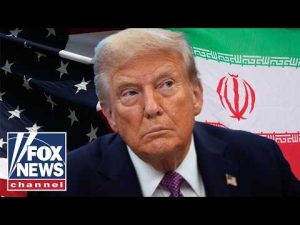
It’s quite the scene in the geopolitical drama as the United States and Iran might be cautiously inching toward a potential peace agreement that could have layers more complex than a seven-layer dip. President Trump has teased the nation with claims that a deal is “largely negotiated” and ready to unroll like a red carpet. Among its components, the proposed agreement involves reopening the vital Strait of Hormuz, a temporary stay of U.S. troops in the region for 30 days, and Iran agreeing to tap the brakes on its nuclear ambitions. In exchange, the U.S. would call off its economic blockade and unfreeze Iran’s funds, presumably kept colder than a popsicle in an Arctic winter.
Amid this diplomatic soap opera, voices of concern ring louder than an overzealous church bell. Senate Armed Services Chairman Roger Wicker fears a rumored 60-day ceasefire stinks of disaster, likening good faith negotiations with Iran to believing in unicorns. Senator Thom Tillis also scratches his head, wondering why, after crushing Iran’s defenses and creeping closer to dismantling its nuclear material just weeks prior, the U.S. would now consider allowing some nuclear remnants to linger like an unwelcome house guest.
Enter Congresswoman Nicole Malliotakis, proposing a pep-talk narrative that fits like a glove for her political alley. She dismisses the naysayers, asserting the need to give President Trump the freedom to work his negotiation magic—potentially pulling a diplomatic rabbit out of his hat. Sure, skeptics might mutter about details not yet on the table, but Malliotakis stands firm in her belief that the results will be a geopolitical masterpiece, serving not only U.S. interests but also improving prospects for the Middle East and U.S. allies with the deftness of a master painter.
Key for many is the Strait of Hormuz, where thoughts of easing tensions evoke dreams of dropping gas prices, akin to finding a $20 bill in a coat pocket. After the past few months of pushing Iran’s nuclear capabilities back, U.S. constituents are eager to know what the deal will mean for their wallets. Malliotakis emphasizes the need for patience so the negotiations can unfold like a well-baked soufflé, perfect in execution and resistant to critics who pop out of the woodwork like overly zealous alarm clocks.
Meanwhile, the spotlight briefly shifts from the Middle East to the Caribbean, with a call for the U.S. to take action reminiscent of its previous moves in Venezuela—only this time with a focus on Cuba’s Raul Castro. Malliotakis waves a metaphorical fist at Castro, whose actions against U.S. citizens cry for justice akin to a courtroom drama. Whether it’s Castro facing the music in the U.S. or the regime slowly crumbling to allow more freedoms in Cuba, the congresswoman remains adamant about diminishing the influence of adversaries skulking around on Cuba’s welcoming shores.
So, as this geopolitical theater unfolds, Americans watch and wait, hopeful that the narrative spins in their favor. With any luck, U.S. diplomacy won’t just win awards for best intrigue—but actually pave a smoother path forward in international relations.