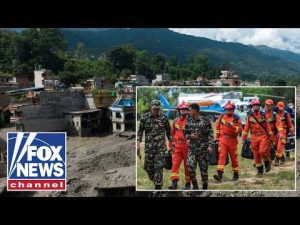
Rescue efforts in Nepal are underway after a catastrophic flash flooding disaster wreaked havoc this week. A glacier collapse clogged up a river, causing landslides and torrents of debris that have unfortunately led to hundreds of deaths. With more than a thousand individuals still unaccounted for, the situation remains dire. Not only are they facing immense loss, but international authorities are still trying to confirm the whereabouts and safety of 50 to 60 American citizens who are believed to be affected. The specific numbers remain elusive, adding to the whirlwind of uncertainty.
Rescue missions face Herculean challenges in reaching affected zones. Authorities, aided by the Nepal Red Cross Society, have only recently managed to penetrate some of the hardest-hit areas, and that too with great difficulty. This isn’t your typical drive in the countryside, folks. Navigating those treacherous paths involves heavy-duty vehicles trucking in emergency supplies, but the urgency and scale of need vastly overshadow the available resources.
Nepal is calling out desperately to the international community for aid, though the list of required items could fill a few textbooks—a grim reality shadowed by the continued threat of monsoon rains. It seems that Mother Nature is not quite done with them yet. Evacuations to higher grounds are underway, yet providing basics like food, water, and shelter is proving arduous. With potentially tens of thousands left homeless, finding a new place to hang up their hats is not just about comfort—winter is fast creeping in, turning shelter into an absolute necessity.
Assessing the scope of destruction seems like an exercise in futility. The river valleys across the country, starting from the border with China down to India, are littered with demolished bridges and infrastructure. The landslide-devastated nation is practically split in two, hindered in transporting essential goods and services even in the best of times. This is definitely not a case of “leaving things better than they found them.”
While the international community, including the IFRC and domestic Red Cross branches, are scrambling to provide some semblance of relief, the daunting task ahead could take months, if not years, to resolve. The world can lend a helping hand, but healing a nation broken by natural calamity is no easy feat. For those thousands still missing, loved ones take what little solace they can from the difficulty of communication. Outages in electricity and cell service have rendered contacting anyone in these regions nearly impossible.
At this point, viewers who feel called to assist are encouraged to donate through the International Federation of Red Cross appeals. The organization is set on raising substantial funds, not just for short-term recovery but also for the long journey ahead. While the challenges are numerous, with a global community rallying together, we may just shine a little ray of hope on Nepal during these tragic times.