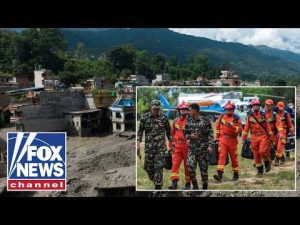
The world watches as Nepal faces one of its most challenging times, and all eyes are on the daring rescue teams slogging through unkind terrain. Thousands of lives are uncertain, and unfortunately, about 90 of those individuals are fellow Americans. Amidst the sheer destruction caused by catastrophic floods, the urgent search for survivors continues, and the clock is ticking with the looming threat of more rain. It’s a grim reminder that Mother Nature runs on her own schedule, and I doubt she’s seen our emails begging her for a break.
The flash floods that hit Nepal and parts of China were triggered by a glacier collapse—a natural disaster with implications that are as massive as they are heartbreaking. The enormity of this tragedy is brought to light by the numbers: nearly 3,000 people missing between Nepal and Tibet, and death tolls we wouldn’t wish on our worst enemies. For those keeping count, and admittedly feeling powerless, these figures do nothing but grow.
It’s not just about the immediate devastation; the concern extends to the looming threat of waterborne diseases. Clean water and sanitation are becoming as rare as a politician sticking to their campaign promises. We’ve seen the pictures—waves of ice and debris that seem ripped from a blockbuster disaster movie, except the heroes haven’t yet saved the day. With the monsoon season stretching its legs, pessimism clouds the skies just as much as the relentless fog.
As if things couldn’t get rougher, the price tag of rebuilding outstrips the bureaucrats’ fondness for pork-filled projects. Nepal’s finance minister is ball-parking it in the billions. Not millions, folks—billions. The Red Cross, valiantly spearheading relief operations, is hitting some logistical snags. It turns out that accessing remote villages isn’t as simple as a politician changing stances on healthcare. They’re deploying 4x4s, the all-terrain vehicle that some might wish our political figures could be—adaptable and ruggedly reliable.
As if situations like these don’t hurt enough, there’s the emotional toll on families who are left waiting for uncertain news. It’s a humble reminder to cherish our loved ones and maybe even to give them a call (even if their voicemail is a bad rendition of a theme song from the 80s). The weight of these events is felt deeply even across an ocean in America, where leaders like President Donald Trump have offered support. One can only hope this aid reaches those in dire need quickly, closing another distance we need less of in the world—between compassion and action.