In the latest episode of “Iran Plays Hardball,” it seems President Trump is confident he has the upper hand. According to the President, Iran has agreed to most U.S. demands, suggesting the Islamic Republic is militarily on its knees. He proudly declared that any military threat Iran might pose could be easily wiped out. After all, when you’ve already hit someone hard for sending a drone toward a ship, they should understand who’s boss, right?
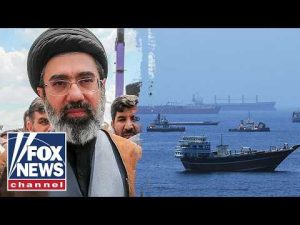
Yet, while President Trump boasts of victories, Iran appears unfazed. The regime has issued stern warnings to oil tankers navigating the Strait of Hormuz, demanding compliance with their designated routes or face Iranian force. It’s as if Iran is starring in its very own action movie, attempting to project regional power despite alleged military defeats. So, there’s a sort of international tug-of-war happening, with Iran asserting its sovereignty and the United States playing the role of global commerce sheriff.
The Strait of Hormuz is no small matter. It’s a critical point for global oil shipments, and while Iran needs it open to sell its oil, it appears they also relish the opportunity to play traffic cop. Iran wants to show that they, too, have a role in the oil highway and are keen on reminding the world, particularly the Gulf States and the United States, of their sphere of influence. Meanwhile, President Trump seems to be biding his time, giving diplomacy a shot, but, knowing him, probably not for much longer.
Now, let’s turn to the other protagonist in this geopolitical drama—the United States. Military operations are always on the table, albeit with potential economic headaches. While Trump may have held off for the moment, his options remain open. After all, as much as it might sound like “Military Skinny,” there are plenty of menacing-sounding assets, like Iran’s “mosquito fleet” and mines, still buzzing around to keep U.S. strategies vibrant. With midterms approaching, everyone knows that nothing spices up politics like a good international incident.
As a sidenote, as Americans prepare to celebrate the Fourth of July amidst these tensions, it’s a reminder of the safety and privileges protected by those serving the country. From fireworks to family gatherings, the day is special for many—even as servicemen and women remain overseas, ensuring that the U.S. continues to stand as a beacon of independence and strength. It’s hard not to applaud their dedication, even if the geopolitical games carry on a world away.