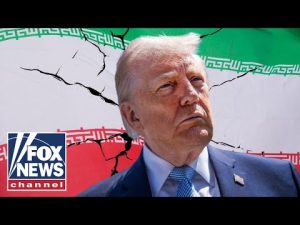
In the topsy-turvy world of international diplomacy, sometimes ordinary folks have to scratch their heads at the antics of nation-states, especially when it comes to Iran and the persistent strife in the Middle East. It appears that while peace talks are dangling by a fragile thread, the United States is not just sitting idly by, twiddling its thumbs, waiting for miracles to happen. Instead, American military might is very much on display, quite literally on the seas, with two Iranian ships being caught red-handed attempting to break a blockade. Classic move, really. It’s like watching a mischievous kid trying to sneak past the hall monitor, only to find themselves in detention with a disapproving glance from the teachers.
Meanwhile, in a perhaps not-so-surprising twist, Iran is playing their familiar game, launching missiles and drones in the hopes, one presumes, of asserting some semblance of power. Lock and load, they say, though Secretary of State Marco Rubio was quick to remind everyone that aggressive posturing tends to have consequences when aimed at the US. Unlike some countries perhaps comfortable wearing the dunce cap of world affairs, the US doesn’t exactly cozy up to attacks on its vessels without turning the tables, or should we say the turrets, with gusto.
What adds a fun sprinkle to this geopolitical stew is the mounting flotilla of international response, or rather, the eventual participation of allies that seem to have hit snooze on their military clocks. The UK has gallantly sent over HMS Dragon, a destroyer with enough capabilities to back up the US forces but without the friendly neighborhood Tomahawk missiles. It’s comforting to know they decided to make a cameo in this grand naval opera. Meanwhile, France is out there cruising the high seas with its solitary aircraft carrier, perhaps pondering whether their late arrival to the party will earn them any applause.
As everything continues to unravel, President Trump has been keen to let the world know these strikes on Iranian targets are just “love taps.” If love taps involve fighter jets disabling oil tankers with 20-millimeter cannons, one can ponder what constitutes an “angry nudge” in diplomatic jargon. With pressure mounting, Chairman Rick Crawford acknowledges Iran’s limited military options but maintains a cautious optimism, perhaps crossing fingers and toes under the conference table, awaiting the wild card response from Iran. It’s all about the waiting game, isn’t it?
And while the US wrangles with very clear stands, some European NATO allies seem to be playing Musical Chairs with their troops, trying not to miss a beat as they consider their options. Sec. Marco Rubio suggests some strategic repositioning, possibly asking them to show up fashionably on time rather than too late to be counted. Meanwhile, folks back home are feeling the pinch at the gas pump, a side effect of the rumpus in Hormuz. It’s not ideal, but hey—when has sound foreign policy ever required Americans to make fewer sacrifices? It’s just another chapter in the grand tale of international politics, where the stakes are high, the drama is real, and everyone’s fuel bill is unfortunately along for the ride.