In the ever-entertaining world of global politics, President Trump has stirred the pot once again, this time with whispers about closing down some of America’s military bases in the Persian Gulf. While some might see this as a win for Iran, it’s more like a strategic move in a high-stakes game of chess. America’s Gulf bases are plentiful, and yet, what do we truly gain? For a piece of pie that small, it seems we might just be playing world police, keeping the peace while everyone else just sits back and enjoys the show.
The Persian Gulf is dotted with U.S. military installations like sprinkles on a cupcake – air force bases, naval facilities, and even radar outposts exposed to all sorts of threats. Terrorist attacks are a perennial hazard, and now there’s a new type of threat in play: drone swarms and futuristic warfare gadgets straight out of a science fiction novel. Isn’t it time to rethink our strategy before we end up with bases full of sitting ducks?
While Iran waves its arms theatrically, threatening missile strikes all the way to Europe, one has to question both their capability and their judgment. With only a 2,000-mile range, their missiles aren’t exactly the long-distance runners they aspire to be. Even if they did manage to lob one over, they’d face powerful interceptors ready to knock their plans out of the sky. Not to mention that they’d seriously risk a NATO-sized slap on the wrist because if you hit Europe, you’re inviting a whole continent’s wrath. It’s like poking a bear and wondering why it’s growling.
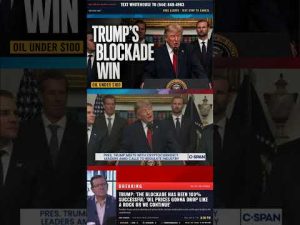
Meanwhile, back at the ranch, Iran’s economy teeters on the brink, largely due to the throttling of its oil trade with China. The U.S. has managed to place a lid on Iran’s oil income, creating quite the financial squeeze. China, buying 90% of Iran’s oil, is finding its relationship with Tehran strained as a blockade disrupts this vital supply chain. It’s almost poetic justice as Iran finds itself between a rock and a hard place, begging for a break while its lifeline slips away.
Then there’s Venezuela, stepping onto the stage as America’s new oil buddy, filling up American reserves while Iran’s exports are left gathering dust. We’re talking about an oil pipeline that bypasses choke points and favors the countries who are willing to play nice. It’s quite the twist in the tale, and while Iran might dream of being at the helm, it seems destiny has handed them a seat on the sidelines, more as spectators than as key players. All in all, as the global oil dance continues, Iran might just find itself asking, “Where did we go wrong?”