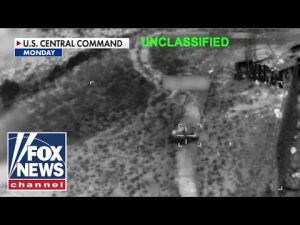
Picture this: a world where geopolitical conflict is a high-stakes game of chess, but instead of pawns and knights, we’ve got rockets and missiles. Enter stage right: the HIMARS missile system, the newest superstar in military tech that’s turning heads faster than a cat video on the internet. Now, if you think this sounds like the plot of an action movie, you’re not far off. Imagine launching a missile from the picturesque suburbs of Boston and hitting a target in Washington, DC, just like that. That’s HIMARS for you—a long-distance precision strike weapon that doesn’t need its own cinema preview to impress.
The latest news is that these missile mavens have been spotted in action, aimed from Bahrain toward Iran. But wait—it’s not just Bahrain flexing its muscle. Apparently, Kuwait and the UAE decided it’s a team sport, all aiming these flashy fireworks in Iran’s direction. The tech-savvy HIMARS doesn’t need Superman’s cape either; it hops over the Persian Gulf with ease, landing in Iran like it’s smack in the middle of a digital bullseye. Iran is in quite a pickle, as this 350-mile reach means these missiles are pretty much unshakable once launched.
As if the international stage wasn’t dramatic enough, now we’re seeing a Middle East united against Iranian antics. The Gulf states are banding together like a superhero squad to keep their oil flowing and their coastlines clear. Iran might have been expecting a villainous spotlight, but now they’re watching from the sidelines as US and allied forces take charge. It seems like every Gulf nation has got some kind of HIMARS setup, all ready to skip across the Gulf with pinpoint accuracy. Meanwhile, Iran finds itself awkwardly short on options, realizing it can’t smack away these new-age missiles with a fly swatter.
The domino effect is evident as Saudi Arabia starts making moves in Yemen, targeting those allied with Iran. Missiles and airstrikes are the latest reality show in town. The Saudi prince and his regional buddies have had enough of the Iranian interference and are stepping up front and center. It’s a big “no thanks” to Iran’s threats, even as there’s chatter about closing the Strait of Hormuz—again. Iran’s attempts at retaliation only seem to scatter their own forces while the US and its allies remain unhindered, turning up the heat on this geopolitical barbecue.
This ruckus over the Gulf doesn’t mean showbiz glamour has taken a backseat. Could someone hand Saudi Arabia an award for best critical airport scene? Apparently, they’ve got the knack for dramatics, bombing runways to stop unwelcome guests mid-landing. But Iran tries to keep the plot twist going with surprise landings and bold moves. Despite these flights of fancy, America and its Gulf friends have the upper hand, reminding Iran that global trade—and affordable gas prices—are not open to negotiation.
In this grand performance, what remains evident is the resolve of the United States and its Gulf allies to maintain worldwide stability. While Iran may conjure up waves of trouble, the allies seem to have the seasoned crew and cutting-edge tech needed to keep the peace afloat. Whether it’s through missile systems or aerial prowess, they’re keeping the seas open and secure, ensuring that the only thing more certain than life and taxes is the flow of oil, 24/7. It’s not just a game of geopolitics anymore; it’s a multi-act play, directed by those who know how to put their foot down—and keep it down.