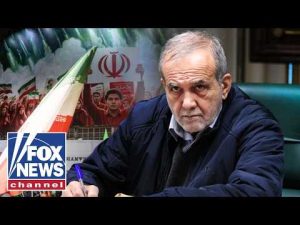
The drama unfolding between Iran and the United States really seems like an episode of a geopolitical soap opera, doesn’t it? Iran, in classic fashion, shut down the streets of Hummus to initiate talks, ostensibly eager for constructive dialogue. Yet after several weeks of negotiations, it’s becoming abundantly clear that Iran is offering nothing of substance. The Trump administration, not one for idle chit-chat, is escalating economic pressure, hoping Iran will finally grasp the gravity of the situation. General Jack Keane paints a rather pessimistic picture, suggesting a deal remains as elusive as an honest weather forecast.
The Iranian Revolutionary Guard Corps (IRGC), playing the role of the stubborn toddler, insists it controls the Strait of Hormuz for eternity. Meanwhile, the U.S. military, ever the stern parent, asserts control over the strategic waterway. Amidst these high-stakes theatrics, Secretary of War is highlighting a growing divide within Iran’s leadership. It seems the civilian leaders and the IRGC are in a tug-of-war over control—and not the fun kind with a rope at the family picnic. The IRGC, according to analysts, operates with its own contrarian rulebook, much to the chagrin of other Iranian leaders.
The economic reality in Iran is about as bleak as a rainy Monday morning. Inflation has skyrocketed, with some commodity prices jumping over 150%. Exchange rates are in chaos, and to further complicate matters, a blockade is eroding Iran’s already strained automotive supply. It’s almost like the IRGC and the Iranian leadership are trapped in a crumbling house with no real plan to fix the roof. Their complicated leadership structure, once praised for its cleverness, is now faltering under the strain of these challenges.
As the public’s dissatisfaction with Iran’s leadership grows, whispers of potential protests are bubbling just under the surface. But these whispers are often silenced by the harsh reality of repression. President Trump’s comments on arming protesters reflect a sobering understanding of the risks faced by those daring to challenge the regime. Without guns, protests can be easily quashed, leaving Iranians in a catch-22 where standing up for change often means risking their lives. If a large-scale uprising did take place, would it finally force the regime’s hand, or would history simply repeat itself with brutal crackdowns?
On the international stage, the drama intensifies as President Trump gears up for talks with Xi Jinping. Recent U.S. sanctions on Chinese entities show that America’s economic strategy isn’t just impacting Iran; it’s reaching across borders to target Iran’s allies. It seems China has some explaining to do regarding its clandestine commerce with Iran. Whether this will drive a wedge between China and Iran or push China to reassess its strategies remains to be seen. Perhaps President Trump will bring a laundry list of grievances to his meeting with Xi, ensuring yet another layer of complexity to this already tangled storyline.