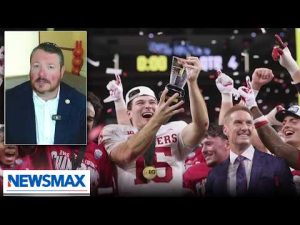
The ongoing debate surrounding college athletics and how athletes are compensated is catching the eye of lawmakers. A bill aiming to bring federal regulations to the National Collegiate Athletic Association (NCAA) has been sidelined, leaving many wondering what the future holds for college sports. Originally, the U.S. Senate planned to discuss the measure before their August recess, but like a last-minute play gone wrong in a football game, time simply ran out. Now, it seems the discussions will continue into September, maintaining a state of uncertainty around name, image, and likeness (NIL) rules.
Florida Congressman Randy Fine has been vocal about the situation. He argues that the integrity of college sports is in jeopardy, claiming that what once was a pathway for students to earn an education through a scholarship has morphed into a mini-professional league. Colleges should focus on education, yet they’re now grappling with the complexities of athletes being paid significant sums – sometimes millions – to play sports. Fine highlights that this transformation is causing disruptions not only among teams but also within the educational experience itself.
One of the dilemmas in this situation is the balance between treating college athletes fairly and maintaining the integrity of the college system. In the past, student-athletes were just that—students who also played sports. Now, however, they are often perceived as professional athletes caught up in a world where athletic performance can yield substantial financial rewards, leading to chaos like frequent transfers from one school to another. As the fine line blurs between college sports and professional leagues, establishing regulations that both protect athletes and uphold educational values becomes a complex challenge.
While some lawmakers, such as Republican Senator Tommy Tuberville, raise concerns about the potential pitfalls of introducing legislation, Fine emphasizes that the problems at hand cannot be ignored. He acknowledges that sometimes government intervention can make things worse—a concept many people can relate to when they hear, “I’m from the government and I’m here to help.” However, this is a real issue that requires attention. College sports today are a far cry from what they were decades ago, with frequent player transfers and an increasing focus on profit over education.
As the debate continues, various proposals, including capping NIL payments and tightening agent fees, have emerged. Finding the right balance is no small task. Lawmakers must consider both the athletes’ rights to fair compensation and the universities’ responsibilities as educational institutions. The complexity of this issue suggests that simply pushing through some legislation may not be the answer. Instead, a thoughtful approach that involves all stakeholders may be the best way forward to safeguard the future of college athletics.
As September approaches, all eyes will be on Capitol Hill. The fate of college sports hangs in the balance, resting on the decisions made by lawmakers who must consider the implications of their actions carefully. With the potential risks and rewards on each side of the debate, the discussion surrounding the Protect College Sports Act could be one for the history books—whether it becomes a unifying solution or a recipe for further complications remains to be seen. Whatever happens, one thing is clear: college sports is at a crossroads, and the way forward requires a blending of interests that respects the past while facing the challenges of modern athletics.