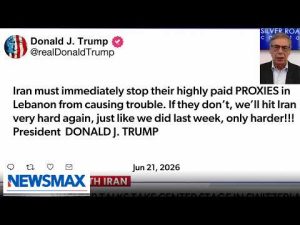
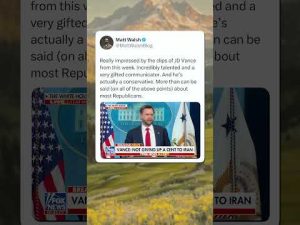
In a world where common sense seems to have packed its bags and bid us farewell, the latest dialogue around some controversial MOU with Iran is about as murky as a swamp at night. For those who might have been under a rock, the Memorandum of Understanding reportedly promises Iran some sort of transformed standing in the Middle East. Yet, the big question remains: What, if anything, does Iran get before deciding to play nice? Apparently, common sense and accountability have taken a back seat in this narrative.
Critics of the deal raise valid concerns that the agreement is tantamount to handing Iran a gift basket of benefits without any meaningful assurance of change. The notion being propagated is that somehow, miraculously, Iran will morph into a model international citizen before getting any rewards. Skeptics see this as painfully naive. These critics argue that jumping the gun by offering benefits could lead to a situation where Iran reaps rewards without lifting a finger to change its hostile behavior.
The narrative being pushed by some defenders of the agreement is that Iran doesn’t get anything unless they exhibit a massive shift in behavior. This sounds great in theory. However, without a crystal ball, how can anyone seriously predict Iran’s future actions? Those who support this deal seem to believe in some kind of diplomatic alchemy that will magically turn bad actors into paragons of virtue. It’s an optimism that might find itself more at home in a fairy tale than in the gritty realm of international politics.
This so-called benefit system is portrayed as a brilliant strategic move; yet, there’s something unsettling about the assumption that incentivizing notorious players without concrete guarantees will lead to positive outcomes. The dialogue dismisses the narrative of pre-deal benefits as a misunderstanding and accuses detractors of wanting endless conflict. It sounds more like a clever diversion tactic rather than addressing the substance of the critics’ arguments.
Ultimately, the American people deserve clear answers, not just shell games and optimistically worded assurances. For those who believe in traditional values and accountability, this deal raises more questions than it answers. It demands that Americans sit back and trust those who will apparently use a carrot without a stick. Yet, trusting Iran to change its tune overnight may prove as fanciful as finding a unicorn in their own backyard.