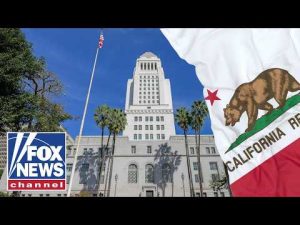
In today’s episode of “California is Doing What Now?”, the Los Angeles City Council is exploring uncharted waters by putting forward a measure that might let non-citizens vote in their local elections. The city council, apparently driven by a sense of fairness and equality, believes that everyone, regardless of citizenship status, should have a say in the community they reside in. This upcoming November ballot measure is designed to give a voice to those who have lived and worked in the city, even if they haven’t navigated the path to citizenship just yet.
Proponents of the measure argue that it’s all about representation for those who’ve long been tax-paying contributors to the city’s economy and have children in public schools. This, they claim, levels the playing field against transient residents who seemingly have a bigger say simply because they’re U.S. citizens. However, the notion of fairness seems to take on a flexible definition here, drawing out questions about the integrity and purpose of the electoral process.
But not every member of the council is convinced by this audacious proposal. Critics have raised eyebrows over whether the county has even considered if they’re capable of executing such a plan. The dissenters rightly point out that election laws shouldn’t be crafted with a political advantage in mind. But let’s be honest, how often are they purely about ethics and not about a bit of strategic maneuvering?
This isn’t just an LA thing, either. Several other cities in the bluest states are either flirting with or have already married this idea. It seems to be a new trend on the ballots across the nation. Fans of political consistency might find it intriguing how non-citizen voting rights keep popping up despite its apparent conflicts with the concept of citizenship. Though it’s primarily focused on legal residents with temporary protections or DACA status, the plan does wave a tempting carrot at those itching to have a say without the pesky paperwork of citizenship.
The underlying theme here is an erosion of what citizenship means. The allure of voting is being extended as if it’s merely a courtesy for being a semi-permanent visitor. As some smart thinkers pointed out, becoming a citizen is supposed to come with its own set of privileges, among which the right to vote is paramount. One wonders, if voting isn’t exclusive to citizens, what’s the motivation to go through the arduous process of naturalization?
With cities attempting to implement these changes, the stakes are getting higher. Politicians could potentially focus on wooing non-citizens with interests that might not align with the broader American populace. The worrying trend here is that once voting privileges are extended, even more significant electoral shifts could be on the horizon. As other states watch with a mix of curiosity and skepticism, it becomes necessary to reflect on what true representation means, and whether this move genuinely serves the American populace or another agenda entirely.