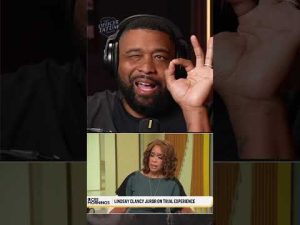
In the world of American jurisprudence, the dynamics of jury deliberations often grab headlines, especially when issues of race and culture come into play. Recently, a juror’s identity became a focal point of discussion, sparking a debate that is as important as it is revealing. This juror, a black man, stood out as a holdout during a trial, which has prompted both curiosity and intense scrutiny. The reactions to his decision highlight the stark contrasts in how society views race, culture, and moral standpoints, especially in relation to serious issues like abortion.
Some individuals seem to contend that a black man’s perspective in a jury room carries more weight simply because of race. This line of thinking suggests that certain viewpoints are automatically more valid due to ethnic or racial identity. However, this approach undermines the fundamental principle of individual thought and personal responsibility. Each juror, regardless of background, should be judged by the strength of their arguments and beliefs, not their skin color. It is a troubling notion to imply that a juror’s race somehow alters the value of their opinion or their capacity to consider the facts at hand.
Moreover, cultural attitudes towards issues like abortion vary significantly across different communities. The black community, particularly in many traditional circles, tends to lean against the normalization of abortion. This notion is rooted deeply in familial structures that emphasize the importance of family, heritage, and personal responsibility. When a black man expresses reluctance to concede on a case that might involve infanticide, it is worth considering that his stance may be informed by cultural values that prioritize the sanctity of life over progressive narratives that often appear to detach morality from legality.
When examining the jury’s deliberation process, it is vital to recognize that the implications of their discussions extend beyond the immediate case. They reflect broader societal views, especially regarding life, family, and community responsibility. The reluctance of this juror to accept an outcome that he feels goes against his convictions illustrates a crucial point about how conversations around life and death are not merely legislative, but deeply personal and cultural.
The ensuing dialogue surrounding this juror’s identity underscores the necessity for a renewed focus on shared values among Americans, regardless of race. Our nation thrives when individuals can unite over fundamental principles like respect for life and family integrity. The time has come for all Americans to come together, drawing on their diverse backgrounds, to reach a consensus that honors both life and community responsibility. Discussions regarding such serious topics should invite critical thinking and compassionate understanding, rather than be clouded by racial identity or division.
In the end, it is not the juror’s race that should dictate how his opinions are received, but the principles he stands for that truly matter. As America grapples with issues that shape its moral fabric, it becomes essential for everyone to embrace personal responsibility, engage in meaningful dialogue, and build a society that values life in all its forms.