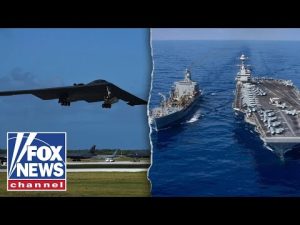
It’s quite a spectacle, isn’t it? The United States has deployed an impressive show of maritime might in the Middle East for the first time in two decades. No less than three carrier strike groups are sailing the waters of this geopolitically tense region. Led by the USS Abraham Lincoln, the Gerald R. Ford, and the George H.W. Bush, this flotilla includes over 200 aircraft and more than 1,500 sailors and marines. Now, if that’s not a demonstration of power, then I’m not sure what is. This splendid assembly is all charged with standing guard over critical waterways like the Strait of Hormuz, the Persian Gulf, and the Gulf of Oman. With all this bravado swirling around, one imagines the message to Iran is simpler than explaining American freedom to a Brit: “Don’t mess with us.”
Of course, let’s not forget the backdrop here. Iran has been flexing its muscles with small, fast boats reminiscent of pesky mosquitoes buzzing around. Sure, they’re annoying, but when you have swarms near critical assets like the USS Cole, it’s no longer just pranks. The intention seems to be clear — making life difficult for American commercial shipping and armed forces in international waters. Fortunately, the U.S. seems more than prepared to deal with this mischief. They’ve got the equipment and resolve to defend and, if needed, retaliate. The discussion about sweeping mines laid by these antagonists sounds like a smarter and tech-savvy version of playing Minesweeper – nobody wins when you hit a mine.
Many might wonder if this buildup of three carrier groups is merely for political and strategic positioning. Well, it certainly does not hurt when negotiations are happening between diplomats. It’s like having a chess game where one player casually reminds their opponent of the knight and rook precariously close to the back rank. This realignment of forces aims to ensure safe passage through critical maritime arteries, and in exactly the way one would remind a naughty child of the consequences of touching the hot stove twice, there’s a clear message: don’t try your luck.
Iran’s economy, now wheezing under its own strain, probably can’t endure a prolonged stand-off. Every day that the status quo remains, their oil facilities face increased pressure, their economy a glittering mirage of former prosperity. Observers might question the global community’s silence in this grand détente, the unwillingness to join the U.S. in standing against what seems like an obvious breach of international law. Laying mines in these waters isn’t just aggressive; it’s a bit like daring the bear to wake from its slumber.
In any case, it’s unlikely that Iran will forget this sudden influx of American might. With the U.S.’s impressive arsenal at sea, a tussle with these maritime forces is akin to a seagull hoping to sink an aircraft carrier. The resolve and readiness on display is a sober reminder of American capability, wrapped up in a rather robust package. This new configuration allows for creative solutions like dividing and conquering vast areas of water and relentlessly pursuing any provocations. So here’s to hoping the dialogue leads to more peaceful waters, but if fireworks ensue, the U.S. is more than ready to showcase why three is most assuredly not a crowd.