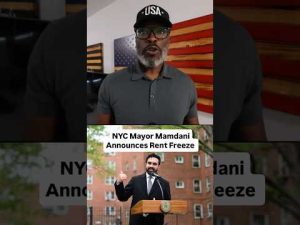
In New York City, a new mandate has been announced by Mayor Zor Ramani, freezing rent for stabilized units beginning October 2023 through September 2024. This policy, while celebrated by many tenants, raises significant concerns regarding long-term economic impacts and property maintenance. While it might temporarily ease financial strain for some renters amid rising costs of living, it overlooks the broader implications for landlords struggling with similar cost hikes.
Landlords, just like tenants, face increasing expenses. Maintenance, utilities, and property taxes are all on the rise. For example, water rates in New York City are set to increase by 6% and property taxes by about 14-15%. Rent freezes in such a climate make it challenging for property owners to maintain the services and standards expected by tenants. When landlords cannot cover rising operational costs, something must give.
There are several routes landlords might take in response to this rent freeze. Reducing necessary maintenance is a probable outcome. Tenants could find themselves facing longer wait times for repairs or lower service quality. For some, the solution might be more drastic, such as removing units from the rental market entirely, particularly if maintaining them becomes financially unsustainable. Such moves could lead to fewer affordable housing options in an already tight market.
Another probable result of the rent freeze is an increase in rent for non-stabilized units. With approximately 2 million people living in rent-stabilized units in a city of about 8 million, competition for these properties is fierce. As rent-stabilized units become scarcer, non-stabilized units will likely see rent hikes, making affordability an even greater challenge for many.
Ultimately, while rent freezes might offer short-term relief to some, the long-term consequences could exacerbate housing issues. A more balanced approach, considering the financial realities of both tenants and landlords, could lead to a more sustainable housing market. Policymakers should explore solutions that foster property maintenance, encourage investment in housing, and ensure fairness for all parties involved.