When it comes to modern America, especially in places like Los Angeles, one can’t help but marvel at the sheer scale of dysfunction that can arise under one-party rule. For many years, the city that was once synonymous with dreams and opportunity has fallen victim to poor leadership and misguided policies. A recent election in LA serves as a stark reminder of how a city can become deeply fractured, leading to a situation where a reality TV star finds himself competing against an incumbent mayor—even as the mayor is literally out of the country during a crisis.
With over 72,000 people living on the streets, Los Angeles has become a somber case study in ineffective homelessness initiatives. The city has poured an astonishing $2.3 billion into programs that appear to have little accountability, and when the numbers don’t add up, the city’s leaders would rather shift the blame than admit their failures. It raises the question: how can a city spend so much money and achieve so little in return? For voters, this should be a wake-up call, signaling that a change in approach is desperately needed.
In the recent mayoral election, the voters faced a familiar scenario: an incumbent mayor, Karen Bass, who finds herself on the precipice of re-election despite a record marred by negligence. While she was off galivanting in Ghana—yes, Ghana!—Los Angeles was burning, quite literally, as devastating wildfires wreaked havoc on the city. Such an embarrassing display of priorities could make one wonder how her campaign hasn’t burst into flames itself. Instead, she appears to be cruising towards another term, largely due to the overwhelming focus on party lines rather than merit.
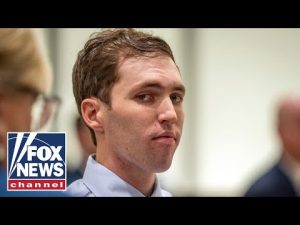
In a turn of events that mirrors a Hollywood script, her closest challenger, Spencer Pratt, finds himself in a position where he must run against not just the incumbent but also the apathy of the electorate. Many voters have seen the city’s decline and are frustrated but unsure of how to enact real change. Pratt, motivated by a desire to ensure his children’s safety and to make streets cleaner, represents the voice of a public that is tired of empty promises. Yet, even faced with the glaring inadequacies of the status quo, he still struggles to secure broad support. This paints a grim picture of voter sentiment that skews toward familiarity rather than effectiveness.
The real takeaway here is the age-old adage: “If you always do what you’ve always done, you’ll always get what you’ve always got.” Los Angeles has been stuck in this cycle for years, propping up candidates who are more concerned with maintaining their political power than actually improving the lives of their constituents. This is the natural outcome of a city governed by a single party and devoid of real competition. It’s a reminder to conservatives and all concerned citizens that engaging in the political process isn’t just a right; it’s a responsibility.
To put it bluntly, a city as sprawling and diverse as Los Angeles should not be left in the hands of the complacent. With every election and every cycle, the opportunity for real change exists. The chaos surrounding the current administration should ignite a sense of urgency among the electorate. Until voters demand candidates who are not only capable but also committed to transparency and accountability, cities like LA may continue to languish in ineffectiveness. Perhaps the greatest tragedy is not just the conditions of the streets, but the realization that voters often settle for the status quo rather than reaching for potential. The time for change is now, and it starts with demanding better from those who seek to lead.