In a dramatic showdown between tech titans, OpenAI has taken a firm stance against Apple’s allegations of trade secret theft. The two tech giants have been embroiled in legal turmoil after Apple filed a lawsuit against former employee Chonglu, accusing him of accessing confidential information following his departure from the company. However, OpenAI has pushed back, asserting that Apple’s claims lack merit and are, in fact, tainted by misunderstandings and miscommunication.
OpenAI’s response came in the form of a detailed blog post that laid out various chat and email exchanges to bolster their defense. In a twist, the AI company pointed out that Apple’s own employees had actually contacted Chonglu, seeking his assistance in locating specific information. This revelation raises an eyebrow about the credibility of Apple’s accusations. Could it be that Apple is trying to deflect attention from their own missteps?
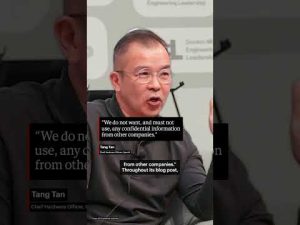
The lawsuit also includes allegations against Tong Tan, OpenAI’s chief hardware officer, who was accused of wrongdoing after leaving Apple. Yet, Tan maintains that he communicated to his team that they should not use any confidential information from Apple or any other company. OpenAI emphasized this point in their blog, underscoring their commitment to ethical practices and transparency.
As the legal wrangling continued, OpenAI challenged Apple’s attempts to secure a preliminary injunction. This injunction would restrict Chonglu and OpenAI’s access to a range of information deemed confidential by Apple. Interestingly enough, OpenAI claimed that Apple’s legal team had mistakenly contacted the wrong individual, highlighting a mix-up stemming from confusion over similar-sounding names. The fact that a giant like Apple could make such an error is almost comical in the high-stakes world of tech litigation.
Throughout their blog post, OpenAI took a moment to compliment Apple, referring to them as one of the “greatest companies.” However, they did not shy away from pointing out that Apple’s lawsuit was “careless, aggressive, and oddly personal.” OpenAI also revealed that after the lawsuit was filed, Apple offered a list of conditions under which they would reconsider pressing charges. While OpenAI agreed to three of the terms, they promptly rejected Apple’s request to allow outside counsel and forensic analysts to inspect their devices for any alleged stolen information. The refusal to comply with what OpenAI deemed an intrusive inquiry adds an additional layer of intrigue to this unfolding saga.
As the story continues to develop, both companies are bracing for more legal battles ahead. It’s clear that the outcome of this lawsuit could have significant implications for the tech industry as a whole. With the stakes as high as they are, both Apple and OpenAI must navigate their strategies carefully to emerge victorious in this clash of innovation and legal might. Stay tuned, because in the world of tech, there’s never a dull moment!