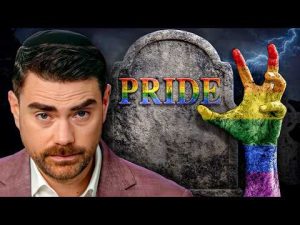
In today’s political and cultural landscape, signs of a resurgence in radical left ideologies are unmistakable. Despite claims that extreme progressivism has waned, indications reveal that these ideas are not only alive but are preparing for a bold comeback. For instance, the recent fervor surrounding Pride Month is one such signal, conjuring a powerful reminder of the relentless push for LGBTQ+ visibility, even in the most surprising corners, such as the pages of the New York Times, which has felt the need to remind its readership that being heterosexual is perfectly acceptable.
This situation highlights a curious dynamic: a cultural environment where simply being straight has become a subject of discussion in a society bent on celebrating diversity. The irony is palpable—while Pride events abound, mainstream media now finds it necessary to join the fray not to challenge discrimination, but to assure heterosexual readers that their identity is valid too. Who would have thought that the mere act of liking someone of the opposite sex would need a defense in the year 2023?
Amid this evolving discourse, we also see the expansion of the LGBTQIA+ acronym. It now seems to stretch on forever, practically reaching for the stars—one might even joke that the next addition could be space aliens (LGBTQIA+ET). While inclusivity is a noble goal, there is suspicion that a more extensive acronym may dilute the focus needed on actual civil rights issues still faced by many within this community. Progress with rainbow flags at every turn raises questions about the lasting impact—is it celebration or mere commodification?
The corporate response to Pride Month is revealing. Brands are launching rainbow-themed products, from slushies at Disneyland to rainbow gear for your beloved Muppets. But do these themed products genuinely support the cause, or are they merely clever marketing strategies to capitalize on a cultural moment? It leaves one to ponder whether authenticity is sacrificed on the altar of profit and visibility. As these companies thrive during this month of celebration, many conservative thinkers question whether any real progress for LGBTQ+ rights is being made or if we are simply witnessing a rainbow-overloaded float in a parade we didn’t sign up for.
As we prepare to navigate Pride Month’s return, it is essential to maintain a critical eye on the underlying policies and rhetoric bubbling to the surface. The coalition of progressive movements may attempt to unify under a banner of “inclusivity,” yet the very inclusiveness they preach often comes with its own set of exclusions. Which voices are truly heard, and which are stifled in the name of progress? Moreover, will we find humor amid the contradictions, or will we be too embroiled in debates around “who gets to be included?”
In conclusion, as the cultural upheaval around Pride Month unfolds, the conservative perspective recognizes both the complexities and contradictions inherent in this dialogue. While meaningful engagement about rights and representation continues, the cautious observer may question if the radical left’s revival is truly about inclusivity or if it merely serves a political agenda. It seems the fight for visibility, however well-intentioned, isn’t just a gathering of colors but a larger conversation requiring scrutiny, clarity, and perhaps a sprinkle of wit. Let’s watch closely—because what happens next promises to be anything but dull.