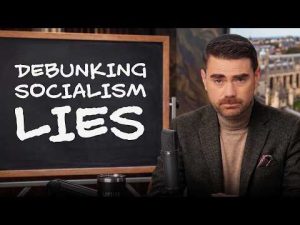
May Day protests have once again spread across the country, with left-wing groups rallying around a pro-socialist platform. Their rallying cry? “Tax the rich!” It’s a chant that echoes through the streets from coast to coast, as if America hasn’t been listening to this worn-out vinyl for decades. These leftist demonstrators, likely fueled by a diet of over-caffeinated angst and beyond-burger idealism, are making their voices heard. They seem to be suggesting that taxing the successful will somehow solve every problem under the sun, including the ones they themselves can’t quite articulate.
Look, the protests have naturally stirred up a hive of political bees on all sides. Republican critics are quick to point out the irony that many of these socialist figureheads likely haven’t encountered a callus on their palm in recent memory. They argue, with a hint of sarcasm, that maybe these bright minds just don’t understand what it actually means to build something with their hands—unless, of course, it’s building castles in the air. After all, the notion that wealthy folks are just going to abandon ship feels “super overblown,” according to some of the more vocal detractors. If they did decide to pack up and leave, the exit wave of hand seems to carry a resigned “bye,” as if to say, “We’ll make do without your taxes and jobs, somehow.”
But what’s most eyebrow-raising is the appeal this ideology seems to have among young people and in heavily blue areas. Places like Chicago, for instance, where schools are apparently encouraging students to ditch class for a little extracurricular civic action. Imagine parents being told their kids will be skipping algebra to march with a union flag—sounds like a plot twist they didn’t see coming. It harkens back to what some might nostalgically refer to as a golden age of education when learning didn’t involve waving a banner of political naiveté.
Commentators from conservative corners have humorously noted the strange allure socialism holds for some millennials and Gen Z’ers. This isn’t just about street marches; this ideology has seeped into political campaigns across the nation, with candidates once laughed off for their socialist leanings now being taken seriously. The likes of AOC and other self-styled champions of socialism have found footing on what some would say is the slippery slope of political power. They’re grabbing hold of the narrative and piloting their campaigns straight into the heart of young voters’ economic frustrations.
Of course, there’s a political underbelly at play here that’s not quite as flattering as the Instagram-worthy protest placards might suggest. Uncovering the financial backing and organizational strategists orchestrating these movements points to a complex web of well-funded efforts. Some speculate these are the faint shadows of once-disavowed ideologies now creeping back into the daylight, potentially with deep pockets and deeper motives. As the investigations and reports unfold, audiences are left wondering just how coordinated these efforts are, and what it means for the future political landscape.
The conservative response, as it turns out, isn’t just about battling the ideology on the streets—it’s about education and tactical influence. Figures like Charlie Kirk and the organization Turning Point USA have been heralded as critical to reshaping student perceptions and countering socialist appeal with the bright, shiny virtues of capitalism. Their method? Getting the message out at the grassroots, filling schools with their ideas instead of leaving the door open for someone else’s. Those on the right believe the key to winning this battle of ideas is through proactive engagement and ensuring their perspective is represented in the educational institutions that are such potent incubators of the next generation’s political values.