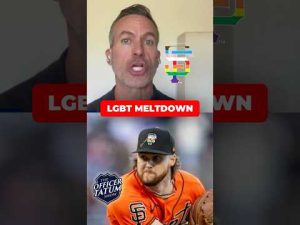
In a recent discussion about Major League Baseball’s (MLB) handling of LGBTQ+ themes, one commentator raised concerns about how the league is pushing certain ideologies onto its players and fans. This issue highlights a growing trend where personal beliefs and values are at odds with the increasingly politicized environment in professional sports. The question is whether players should be compelled to participate in initiatives that may go against their own convictions.
The commentator pointed out that many sports already celebrate diversity in various forms, suggesting that there is no need to inject a sexual orientation narrative into baseball specifically. With leagues like the WNBA already embracing LGBTQ+ themes, the argument is that other sports should not feel pressured to follow suit. Introductions of Pride Night events, complete with hats and jerseys promoting LGBTQ+ visibility, may exclude those who hold different beliefs, creating a double standard in how inclusivity is defined.
When players are told they must wear specific merchandise or endorse particular causes, it raises the question of whether their rights to free speech and personal expression are being stifled. According to the discussion, players might sign up to play baseball, but they certainly do not sign up to advocate for ideologies that may clash with their personal beliefs. Selectively enforcing uniform rules based on political correctness could set a dangerous precedent for the league and its players. It appears the MLB champions diversity—unless it’s the diversity of thought.
Critics have likened the current situation to an effort to normalize specific identities at the expense of others. The commentator drew attention to other instances in which players have expressed their beliefs—like wearing hats with “SOS Cuba” or referencing personal causes in the past—without facing the same backlash. This inconsistency raises questions about fairness in how the league treats its players based on the beliefs being expressed. If some opinions are welcomed while others are silenced, true diversity is not being embraced.
Moreover, there’s a strong emphasis here on the idea that identifying with a particular group should not define a person’s entire existence. Relationships—what happens in one’s private life—do not make a person different in their professional capabilities. The essence of who someone is goes beyond labels. The belief that one’s sexual orientation or identity must dominate discussions about rights in sports undermines the individuality of each player.
Ultimately, the man in this discussion emphasized the need for a balanced approach to these conversations. While recognition of different identities is undoubtedly important, it is equally important to ensure that the experiences and beliefs of all individuals, regardless of their backgrounds or personal choices, are respected. A call for true inclusivity should invite dialogue, not force conformity. Until the league recognizes the importance of this balance, it will continue to face criticism for its selective approach to what it means to be inclusive.