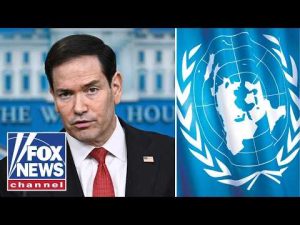
In the world of international diplomacy, where many people are fond of eloquent speeches and never-ending meetings, some feel that the United Nations has taken a wrong turn. In recent years, the UN has been scrutinized for its bureaucratic bloat and what some see as a questionable choice of leadership roles. Just picture Iran, a nation with a controversial record, being placed on a human rights commission. Some folks compare this to asking a fox to guard the henhouse. It’s no surprise that the support for this global organization wanes among the skeptics, who argue that its time has passed.
There’s a bold new approach under President Trump, which some believe is long overdue. The decision to not only audit but cut the UN budget has been lauded by many conservatives as a strategic move. It’s a call to trim the fat and focus on what truly matters – peacekeeping and reducing conflicts. The President’s hardline stance forced the UN to make its first-ever budget cut, trimming down staffing and peacekeeper deployments. This step aligns with the philosophy of “less talk, more action,” aiming to get back to the fundamentals of what the UN ought to be.
One can’t help but chuckle at the idea that moving the UN’s headquarters might have been proposed half-jokingly to other countries such as China. It’s almost like one of those “you break it, you buy it” situations. This suggestion underscores the sentiment that if other nations value the UN so greatly, perhaps they should shoulder more responsibilities. But let’s be honest, it’s unlikely anyone wants the burden of managing global unrest from their own backyard – unless, of course, they have ulterior motives.
What we’re witnessing, according to proponents, is a comprehensive strategy. Take, for instance, the situation with Iran – labeled desperate due to strict blockades and international pressure. With their resources depleting and their economy struggling, Iran is reportedly being squeezed to the negotiating table. National currencies are plummeting, reserves are vanishing, and basic payments for governmental obligations are becoming challenging. As expected, they are starting to see the benefits of making diplomatic deals, albeit with a bit of a push.
To some, all these efforts could be seen as a masterclass in political maneuvering. The underlying expectation is that when it comes to maintaining peace and deterring wars, the UN should have a clear mandate rather than stretching itself thin with peripheral concerns. There is a call back to the original mission: prevent wars, maintain peace, and avoid making peacekeeping an overly complicated affair. After all, in a world where chaos can quickly become the norm, sometimes keeping things simple can be the most effective strategy.