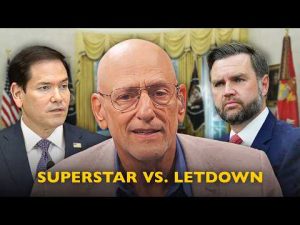
Stepping into the political spotlight with the kind of confidence that makes a guy look like he’s been sashaying down a divine runway, Marco Rubio recently delivered what can only be described as a rare moment of political clarity. It’s as if he’s found a cozy spot on a heaven-sent cloud, serving up wisdom like a sage. What caught everyone’s attention was his colorful commentary on communism. Now, it might seem like existential discussions about ideologies are best reserved for academic conferences or overcaffeinated book clubs, but Rubio managed to make it relatable enough for a classroom yet sharp enough to slice through the nonsense—no dull butter knife of a speech here.
Starting with a declaration that would make even Yogi Berra chuckle, Rubio challenged the idea that communism sounds good in theory. As a Cuban-American, he knows a thing or two about communism and its dreary palette. He paints a picture of a world that kills creativity and snuffs out the spark of greatness. It’s a place where heroes are as rare as unicorns and miracles are on the endangered species list. This isn’t just about a lack of ambition; it’s about a space where the idea of God doesn’t just take a back seat—it’s been left at the station altogether.
Rubio powerfully connects the dots between a godless world and one where ambition is quelled, and heroes, creativity, and moral courage are left packing their bags. The man has a point: societies without a touch of the divine tend to have the same appeal as unbuttered toast. Without God, as he’ll cheekily argue, the tallest poppy syndrome kicks in, cutting down anyone who dares to be exceptional. What fun is living in a world where everyone is aiming for mediocrity and trophies are handed out like candy to people who never tasted the clash of real competition?
It’s a world the left seems to embrace, scoffing at the core principles that make sports both thrilling and spiritually enriching: excellence and sportsmanship. Sure, anyone can stay upright, but it’s the champions who not only dominate the field but also shake hands at the end of the day. Competition fosters greatness. Without it, you’d have a future full of B-leaguers inheriting participation trophies, as meaningful as an insincere participation ribbon. Rubio, it seems, isn’t having any of that.
Rubio’s insight ties nicely into a broader reflection on material desires versus spiritual fulfillment. Sure, a new iPhone might make you happy for a hot second, but how does it compete with the warmth of a familial embrace or the pride felt standing alongside a community bound by shared success? Capitalism isn’t without its pitfalls, but within its framework lies the opportunity for genuine, spiritually driven strides toward greatness. When capitalism climaxes at excellence without losing a sense of community, it creates a harmony worthy of admiration.
As Rubio strides confidently forward with his cloud and a political glow, he’s not just critiquing communism; he’s extolling the values and virtues he believes restore and uphold the very spirit of a great nation. By blending material goals with spiritual aspirations, perhaps there’s hope yet for a society that refuses to crumble into the drab gray of a communal fold and instead reaches for a sky where heroes, myths, and maybe even a touch of the divine can still dance in the sunlit clouds.