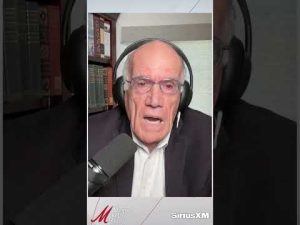
In an unexpected twist in California’s political landscape, Spencer Pratt has emerged as a formidable candidate in the race for mayor of Los Angeles. Since January 1st, he has raised nearly $540,000, showcasing his ability to attract significant financial backing. What’s even more intriguing is that Pratt, previously a registered Republican, has chosen to run as an independent. This shift raises questions about party loyalty and the broader implications for California’s political environment, particularly in a state where many feel their voices are drowned out by a one-party system.
During a recent appearance on Adam Carolla’s show, Pratt characterized the disconnect between Sacramento’s lawmakers and the reality faced by residents of Los Angeles. He pointed out a glaring issue: the lack of representation and advocacy for Angelenos in the state capital. According to Pratt, the lofty dreams concocted in Sacramento often translate into nightmares for those living in Los Angeles, as ill-conceived policies negatively impact everyday life. He asserts that without a strong voice in Sacramento, residents will continue to suffer from misguided legislation that fails to address the root issues plaguing the city.
A striking example of this disconnect is Pratt’s vivid portrayal of the Sixth Street Bridge, which he visited while discussing the challenges facing Los Angeles. The bridge is purportedly shrouded in darkness, not because of a lack of beauty or potential, but due to the rampant theft of copper wiring from the streetlights—an unfortunate consequence of poor governance. Pratt’s criticisms of current Mayor Karen Bass focus on her seemingly lackadaisical approach to crime, which led her administration to propose a costly initiative to install 60,000 solar-powered streetlights. According to Pratt, this plan is laughable; he wonders how the city can expect criminals to leave these new lights alone when they’ve already demonstrated a knack for theft.
Moreover, the comedy of errors continues, as the city council—under Bass’s direction—has suggested placing cages around the new lights to deter theft. This recommendation exemplifies the creative solutions that often surface when leaders are out of touch with the realities on the ground. It’s hard not to see the irony in proposing cages while ignoring the actual criminal behavior that necessitated such measures in the first place. Instead of addressing the fundamental issue of crime, the council’s proposals are akin to putting a band-aid on a gaping wound—offering a superficial fix to a much deeper problem.
As Spencer Pratt aims to wrest control from the current city leadership, his campaign seems to resonate with a growing frustration among residents who feel neglected. His assertive stance and humorous critiques may serve as a refreshing change from the usual political rhetoric. Whether or not he can translate his popularity and fundraising success into actual votes remains to be seen. However, his message highlights a critical dialogue about accountability, governance, and the need for representatives who actively fight for their constituents rather than simply accepting the status quo set by Sacramento. As the election approaches, it will be interesting to see if Pratt’s independent approach can galvanize support in a city that yearns for tangible solutions rather than more empty promises.