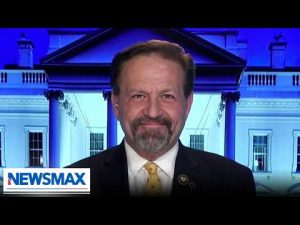
In the aftermath of a tragic incident in Provo that left many in shock, it’s crucial to take a step back and assess the broader cultural and political climate contributing to such heartbreaking events. The topic at hand revolves around the untimely death of a conservative figure, Charlie, who was not just a public figure but a friend and a regular on various platforms. His loss is more than a news story; it’s a stark reminder of a concerning trend of violence that seems to disproportionately target those with conservative, Christian, and Republican values.
The rhetoric surrounding this tragedy quickly highlights an alarming reality faced by many on the right. There’s a growing sense of vulnerability among conservatives who find themselves targets of hostility simply for their beliefs. The irony lies in the fact that those who preach tolerance and acceptance are often the first to celebrate or dismiss violence against those who dare to dissent from leftist orthodoxy. This manifestation of violence underscores a serious issue that must be addressed—not with apathy, but with a comprehensive strategy aimed at protection and prevention.
As discussions unfold, it becomes increasingly apparent that many public figures within conservative circles are on high alert every time they step outside their door. The necessity for comprehensive security measures is a daunting reality for those who merely wish to express their views. This constant threat perpetuates a culture of fear that is both unsettling and, frankly, unacceptable in a nation that prides itself on freedom of expression. Conservatives find themselves grappling with this new normal, while the left seems untouched by such anxieties.
The discourse is further complicated by narratives spun from both extremes. On one hand, there are conspiracy theories that muddy the waters, distracting from the core issues at hand. On the other hand, there is a pressing need to address the radical elements within movements that have undeniably escalated in recent years. The case involving Tyler Robinson, the accused in Charlie’s assassination, hints at a violent ideological undercurrent that is all too often brushed aside by mainstream conversations.
Ultimately, it’s critical to confront these challenges with clarity and resolve. The conversation cannot be marred by baseless theories or overshadowed by silence. Instead, it needs to focus on tangible actions to stem the tide of violence. This involves recognizing the complex motivations behind such acts and dealing with them head-on. Conservatives are ready and willing to engage in this crucial dialogue, demanding accountability and action against this tide of terroristic threats that plague their community. It’s time to advocate for meaningful change that ensures safety for all, regardless of political beliefs, restoring a semblance of civility to our nation’s discourse.