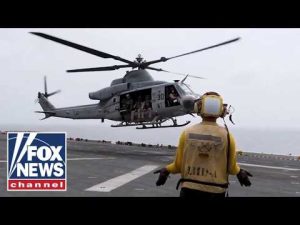
In recent days, the Trump administration has shown some remarkable restraint in its dealings with Iran, opting to hit the pause button on military strikes for the third consecutive night. According to reports, this decision came after top US military commanders, including Admiral Brad Cooper in the Middle East, advised that further bombing efforts around the strategic Strait of Hormuz had reached their peak effectiveness. Now, it’s clear that military might isn’t off the table, but this shift indicates a desire to give diplomacy and economic pressure a chance to work their magic.
A naval blockade remains firmly in place, and it’s putting the squeeze on Iran’s economy, allegedly costing the regime hundreds of millions per day. That’s not exactly pocket change, even for a country with a taste for high-stakes games. The current military readiness, as loudly touted by the administration, seems to imply that a solid plan is ready to roll if Iran decides to make an unwise move. There are whispers, however, of frustrated government insiders leaking information, but those folks are apparently destined for a spot in the slammer.
Now, while the US plays a waiting game, nerves across the region are as taut as a violin string. Israel’s Prime Minister, Benjamin Netanyahu, has tossed a hefty warning Iran’s way, making it crystal clear that any aggression toward Israel would be a colossal blunder on Iran’s part. Netanyahu’s rhetoric serves as a reminder to Tehran that some lines, when crossed, bring a roaring response—and this would be one such scenario.
Meanwhile, Ukraine appears to have thrown a curveball into this regional drama. President Volodymyr Zelensky reported Ukrainian forces struck Iranian ships in the Caspian Sea that were allegedly ferrying military cargo between Russia and Iran. That’s quite the chess move in this geopolitical saga. Tehran, of course, is fuming and has vowed retaliation. This is certainly not a region for the faint-hearted, as each nation jockeys for position in this high-stakes geopolitical game.
As the US continues to build its military presence, keeping options open is the name of the game for President Trump. There’s plenty in the strategic toolkit should diplomacy fall short. The region remains a swirling mix of tension, rhetoric, and power plays. Only time will tell whether these diplomatic overtures will bear fruit or if the saber-rattling will evolve into something more. One thing’s for sure, viewers will need to stay tuned as the drama unfolds.