In the tumultuous world of international affairs, tensions between the United States and Iran are once again making headlines. The Iranian regime, notorious for its human rights abuses, has executed a young protester, further showcasing its brutality. The execution of a 21-year-old athlete amid political protests has drawn criticism worldwide and highlighted the regime’s ongoing crackdown on dissent. Yet, in the backdrop of these grim realities, President Trump stands firm, navigating the complex landscape of international negotiations to end the conflict.
While the Iranian government faces condemnation for its harsh actions, President Trump is steadfast in his resolve to prevent Iran from obtaining a nuclear weapon. As negotiations with Iran unfold, there is talk of potential peace—albeit through seemingly fragmented factions within the Iranian leadership. President Trump, known for his unyielding stance in international dealings, noted that the Iranian negotiators are disjointed, reflecting the internal divisions in Tehran. With the aid of Pakistani intermediaries, there is optimistic chatter about finding a resolution to the ongoing conflict, though skepticism abounds regarding Iran’s intentions.
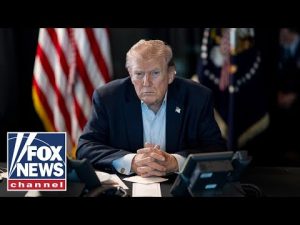
As President Trump engages in telephonic negotiations from afar, he has made it clear that he will not settle for anything less than a satisfactory deal. Emphasizing strategic partnerships, Trump mentions that the cooperation with Pakistan is crucial in these delicate discussions. Such diplomacy is applauded by conservatives who appreciate a leader unwilling to fold under pressure, especially with issues as significant as nuclear weapons on the line. In Florida, his confidence resonated with supporters who agree that under no circumstances should a regime with Iran’s track record gain access to such destructive capabilities.
The approach reflects Trump’s broader philosophy—a combination of tough love and pragmatic diplomacy. It’s not just about avoiding another prolonged military action, given public sentiment that favors diplomacy over war, but also about ensuring that American interests and global security remain at the forefront. The president’s dealings with Iran are a masterclass in negotiation tactics, balancing pressure with potential diplomatic breakthroughs. To his critics’ chagrin and his supporters’ delight, Trump positions himself as the unequivocal guardian against nuclear proliferation by so-called “lunatics.”
In the meantime, domestic concerns are never far from the president’s mind. The cost of gas and its correlation to Middle East conflicts have become a perennial topic at his rallies. Trump reassures his audience that relief from high prices is on the horizon, contingent on the cessation of hostilities. While some cynics might roll their eyes at the notion of quick economic fixes, supporters revel in the optimism he shares. As always, President Trump remains a polarizing force, but regardless of one’s stance, it’s clear that his handling of the Iran situation, peppered with his no-nonsense approach, continues to maintain the spotlight.