The recent U.S. strikes in Iran near the Strait of Hormuz and the city of Bandar Abbas have introduced a fresh chapter in the ongoing saga of geopolitical chess. This move by the U.S. is a testament to its stance on preventing Iran from becoming a nuclear player. Iran, it seems, was laying mines and setting up surface-to-air missile sites, likely hoping nobody would notice. It’s probably safe to say they got that wrong. With these defensive strikes, the U.S. aims to send a message—playing with fire is a bad idea, especially when firepower might just be coming from the U.S. military.
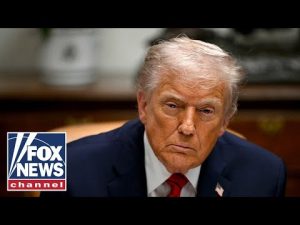
In the bustling world of politics, President Trump is firmly in the driver’s seat, declaring on Truth Social that enriched uranium needs to be turned over or destroyed in coordination with Iran. The whole scenario unfolds like a high-stakes poker game, with our president laying down conditions like chips on a table. One can almost imagine the folks in Iran’s leadership scratching their heads, pondering their next move in this complex game. For the U.S., Iran must face a choice: a path free from nuclear weapons or dealing with increased military pressure.
Secretary of State Marco Rubio, part of this diplomatic ballet, made it crystal clear that the Strait of Hormuz must remain open. It’s simple, really—It’s one of the world’s most critical waterways, and letting it become a playground for unlawful activities is a big no-no. Rubio is hellbent on keeping it open for business, toll-free and tension-free. Anyone attempting to muddy these waters might just find the U.S. military ready to play lifeguard.
Amid these developments, the Israelis are upping their game as well, tackling Iran’s well-known proxy, Hezbollah. It seems they are ready to unleash “overwhelming force,” a stark reminder that in this region, talk is cheap. The Israelis are determined to keep their skies free from unwanted drones and rockets, and they intend to do so with a firm hand. Negotiations are in the works to boost diplomatic ties between Israel and Lebanon, because, let’s face it, more talking and less fighting is usually a good thing.
While all of this drama unfolds overseas, back home, President Trump is getting a check-up—presumably to ensure he’s ready for his next diplomatic face-off. Senators like Lindsey Graham and Marco Rubio are weighing in on these international developments, each with their perspectives, while folks back in Pennsylvania, and elsewhere, deal with rising gas prices and hope for a resolution that doesn’t hit their wallets too hard. Indeed, these are interesting times, and it seems that, like any good action movie, this story is far from over.