In an intriguing conversation that highlights the evolving landscape of conservative politics, a group of original Maha moms recently gathered to share their thoughts on the current political scene. Although many of these moms voted for Donald Trump in the past elections, they steer clear of traditional labels like “MAGA” and instead identify simply as concerned citizens and mothers. They emphasize that while they may share many beliefs with the movement, they don’t feel the need to conform to strict definitions often associated with political affiliations.
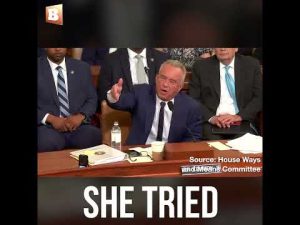
One significant factor uniting this group is their support for Trump’s partnership with Robert F. Kennedy Jr., who made the leap from being a Democrat to a key player in Trump’s administration as the Secretary of Health and Human Services. This alliance appears to have given these moms the green light to cast their ballots for Trump in the 2024 election cycle. Their shift in allegiance seems tied not only to political party lines but to healthcare issues that strike a personal chord for many of them.
It’s worth noting that the vaccine debate plays a pivotal role in the discussions among these women. Some have shared that their disenchantment with vaccine policies during the pandemic pushed them away from the Democratic party entirely. One mother noted her journey from voting for Hillary Clinton in 2016, fearing what would happen if Trump won, to eventually supporting him in 2020. For her and others, Trump’s policies—particularly regarding health are worth exploring, regardless of party dynasties or expectations.
The idea that anyone, regardless of whether they are left-leaning or right-leaning, who is earnest about addressing healthcare challenges can earn their support, showcases a refreshing take on bipartisanship. Far from being staunch Republicans, these women are more focused on practical solutions to real problems. In a time when political affiliation often overshadows civic participation, their approach is a reminder that issues like healthcare can transcend traditional party boundaries.
As the Republican Party gears up for the critical 2026 midterm elections, it becomes clear that engaging voters like these Maha moms will be essential to maintaining their majority. Their willingness to step outside the confines of strict party loyalty and support candidates presenting solutions to pressing issues could be a determining factor in the political arena. The challenge will be for the Republican Party to keep these non-traditional voices at the table, further weaving their perspectives into the fabric of what it means to be a modern conservative. After all, sometimes, it’s not about the label; it’s about the shared goals of making a better tomorrow.