The art of negotiation, it seems, is all about believing less in what’s being said and more in what’s actually done. In the ever-entertaining political theatre of U.S. and Iran relations, the spotlight is now focused on the discussions that have unfolded in Switzerland. Vice President JD Vance, sporting his finest negotiation face, has returned from what some might call “productive” talks. But in world politics, what’s said and what’s actually meant are worlds apart. Iran allegedly agreed to let in the nuclear inspectors from the International Atomic Energy Agency, which sounds reassuring, but one can’t help but wonder how that will play out on the ground.
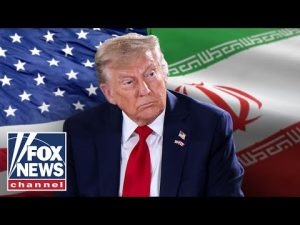
The world saw this new “trust but verify” strategy announced with much fanfare. Because, after all, when dealing with Iran, one doesn’t rely on simple trust; they prefer to cross their Ts and dot their suspicious Is. President Trump has already thrown the gauntlet down, warning Iran to stick to their promises or face consequences. The perpetual cycles of negotiating deals and facing disappointments might seem repetitive, but then again, isn’t that what international relations are built on?
There’s a touch of the dramatic as the White House allows for some leniency on Iranian oil sales through August, a decision made to show that positive progress can indeed unfreeze relationships, and perhaps assets too. There’s this hope of turning these summer sales into a fruitful autumn for American farmers, who are purportedly waiting to send those soybeans over to Iran. While it might be a pipedream fueled by optimism, stranger things have happened. However, whether those funds do end up filling corn coffers or if they mysteriously find their way into the seemingly bottomless pockets of military expenditure remains a vibrant topic for debate.
Meanwhile, in other corners of the Middle Eastern chessboard, Israel is staying firm in Lebanon, with Prime Minister Netanyahu not budging an inch, swearing that the IDF will continue to play its role as the regional peacekeeper. President Trump, always one for an interesting press encounter, implied he could handle issues with Netanyahu swiftly—be it with policy or possibly over a shared snack. It’s anyone’s guess which.
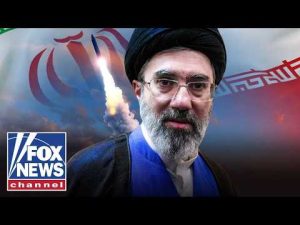
Circling back to Iran, while Vice President Vance exudes some cautious optimism, the skeptical among us can’t help but hoist the old adage that actions speak louder, while words in diplomatic circles often remain precisely that—just words. Iran’s intention or capability to avoid the resumption of nuclear armament is the million-dollar (or maybe 80 billion-dollar) question. The Pentagon has humorously requested enough funding to make even the thriftiest taxpayer’s head spin, allegedly to cover the costs of the “war in Iran.” Perhaps they’ll be raiding the couch cushions next.
At the end of the day, the ball is in Iran’s court. Should they commit to meaningful action, perhaps they’ll earn themselves a shiny new deal, maybe even some agricultural imports. But with eyes watching them more closely than ever, any slip might undo their progress faster than one can say “sanctions reinstated.” The saga continues, with plenty more opportunities for plot twists, turns, and the usual dose of diplomatic drama.