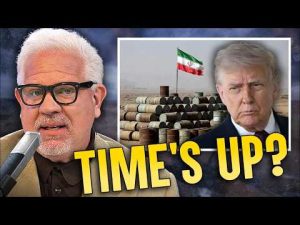
**The Global Game of Nuclear Chicken: A Deep Dive into U.S.-Iran Relations**
The world is watching as tensions between the United States and Iran continue to escalate. At the center of this high-stakes game are two critical issues: Iran’s pursuit of nuclear weapons and its control over the Strait of Hormuz, a vital artery for global trade. Both nations are engaged in a complex negotiation process that could either lead to peace or set the stage for conflict. But one thing is clear: neither side appears willing to back down easily. So who will blink first in this delicate dance of diplomacy?
For decades, the U.S. government has held a firm stance that Iran must not be allowed to develop nuclear capabilities. This isn’t just a recent development; it dates back to several administrations, from Jimmy Carter to Ronald Reagan, and continues to bipartisan support today. The fear is real: a nuclear-armed Iran would not only threaten its neighbors but could potentially hold the entire world hostage. Iran argues that its nuclear ambitions are essential for energy and sovereignty, but history has demonstrated that when it comes to negotiations, words often don’t match actions.
Meanwhile, controlling the Strait of Hormuz is just as crucial. This narrow waterway is responsible for a significant portion of the world’s oil supply. If Iran were to choke off this vital channel, it could send global oil prices soaring, bringing Western economies to their knees in the process. The stakes are high, and the U.S. is adamant—no radical regime should wield such power. The current situation is not merely a regional squabble; it’s a monumental struggle for control over global energy and deterrence.
The talks between the U.S. and Iran are occurring under the shadow of military readiness. While diplomacy is taking center stage, both nations are preparing for the possibility of conflict. Speculation is rife regarding the intentions of former President Trump, who is vocal about aggressive military responses. However, it seems unlikely that such drastic measures will be put into action. The focus appears to be more on tactical negotiation than outright war—a potentially savvy move to buy time while also gauging the internal dynamics within Iran.
As negotiations continue, the road ahead appears rocky. If the talks are genuine, one would expect to see Iran actively participating at the table, allowing for normal traffic through Hormuz, and making verifiable commitments to limit its nuclear capabilities. However, if it turns out that these discussions are merely a façade, it could lead to increased tensions, resulting in higher incidences of military posturing and proxy attacks. The world is caught in a game of chicken, where any misstep could spiral into broader conflict.
The importance of this situation can’t be overstated. The potential consequences of either a nuclear-armed Iran or an unstable Strait of Hormuz would not only affect the Middle East but could fragment the global economy. The U.S. must recognize that it can’t sacrifice stability for oil; the real goal should be a concerted effort to ensure that Iran does not emerge stronger from these negotiations. Ultimately, the negotiation is about much more than regional power; it’s about safeguarding an effective global energy landscape and ensuring that the world remains connected and secure.
As the sun sets on this complex geopolitical chessboard, one thing remains clear: the world is waiting with bated breath to see who will make the next move. Will it be the U.S. holding firm, or will Iran’s deep-seated ambitions reassert themselves, challenging the fragile balance of peace? Only time will tell, but one thing is for sure—this dance of diplomacy is far from over.