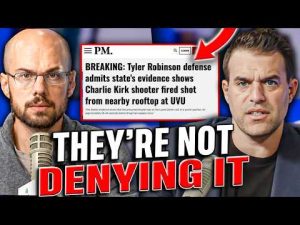
In a case that has captivated the nation, the defense team for Tyler Robinson, the man accused of murdering conservative activist Charlie Kirk, is making waves with their latest filings. As the preliminary hearing approaches on September 1st, the defense has opted to challenge the state’s assertion of probable cause rather than convincingly deny the core allegations against Robinson. Their strategy hinges on a peculiar argument: while they don’t dispute that Robinson committed the act of murder, they claim he did not intend to kill anyone else, thereby suggesting the death penalty should not apply.
The defense’s filing is a lengthy 41-page document that dives deep into various aspects, but surprisingly spends only a fraction addressing the actual charges of murder. Instead, it focuses heavily on secondary concerns like witness tampering and attempting to ward off aggravating factors that could lead to a death sentence. They argue that the evidence supporting the claim of murderous intent is undermined by hearsay from Robinson’s roommate, which they believe should not hold weight without firsthand testimony in court.
As the defense presents their case, they reveal an unexpected line of reasoning; rather than arguing against the premeditated nature of the crime, they assert that the shooter displayed a level of caution in his actions—like firing in a prone position—that would mitigate the dangers to others present. Essentially, they argue that being a good shot absolves Robinson of some responsibility for endangering those around him, which prompts a bemused response from legal observers. It raises eyebrows and questions whether being skilled with a firearm is truly a viable defense in a murder case.
Adding to the intrigue, the defense neglects to address substantial evidence, including DNA linking Robinson to the crime scene. They avoid discussing his confession to his roommate and video footage that places him at the site of the shooting. Instead, they focus on quibbles about evidence interpretation, emphasizing technicalities rather than confronting the core facts of the case. This strategy has left legal analysts scratching their heads. Wouldn’t a solid defense require addressing these crucial points head-on?
A significant factor in this case is the political motivations behind the act. The prosecution suggests that Robinson targeted Kirk due to his political beliefs, which adds a layer of complexity under Utah’s law regarding capital murder. However, the defense seems intent on downplaying this aspect, trying instead to detach any political implications from the incident, arguing that the crime was merely a spontaneous act against a public figure rather than a politically motivated attack.
As the clock ticks down to the hearing, legal experts and the public alike are keenly watching how this case unfolds. The defense’s choice to minimize the evidence of premeditated intent is bold, and whether it will hold up in court remains to be seen. For now, the spotlight is on the upcoming hearing that will determine whether Tyler Robinson’s case will escalate to a full trial or if the defense’s arguments can sway the judge in their favor. It’s a story that involves serious legal battles, political implications, and a quest for justice in what many are calling a “bombshell” of a case, and it’s only just beginning.