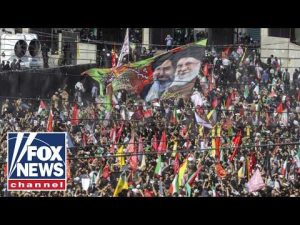
In a recent discussion, two former advisors are shedding light on how the funeral of Iran’s fallen supreme leader might influence current peace negotiations. Fred Fleitz, a former CIA analyst, pointed out that this event exemplifies the Iranian regime’s obsession with hate and violence, a sentiment that has led to suffering for the Iranian people. With food shortages and a crippled economy, it’s clear that their priorities are misplaced, with billions funneled into military might rather than meeting basic needs.
Despite the gloomy landscape, some sparks of hope are flickering. Negotiations are reportedly underway, though the Iranian government has publicly denied their commitment to any agreements. However, they have allowed International Atomic Energy Agency (IAEA) inspectors to return to the country, which is a noteworthy step. After previous ceasefire violations, there’s a cautious optimism that this renewed dialogue might lead to better solutions, especially as President Trump has shown a willingness to respond strongly to Iranian provocations.
Walid Phares, a former foreign policy advisor, added a different dimension to the conversation by emphasizing Iran’s inability to withstand U.S. military might. He explained that there’s no other force on earth that could match the power of the American military. This overwhelming strength has forced Iran to the negotiating table, highlighting their recognition of the serious consequences they face if they continue to act belligerently.
However, Phares cautionarily noted three crucial points about Iran that cannot be ignored. First, the ideological underpinnings of the Iranian regime remain unchanged. There’s no indication of a reformist movement akin to what occurred in the Soviet Union; they are still entirely committed to their anti-U.S. stance. Second, the current regime is intent on violence, including threats against U.S. leaders. Engaging with such a hostile entity complicates peace talks. Lastly, he warned that Iran is emboldened by its understanding of the U.S. political landscape. They might believe that with certain shifts in our political climate—say, after upcoming elections—they might be able to negotiate from a position of strength.
In summary, while there are hopeful signs of dialogue, both Fleitz and Phares emphasize the complexities involved. It’s a precarious dance where one wrong step could lead to escalated tensions. For now, it seems that the U.S. must maintain patience while firmly navigating these negotiations, all while keeping a keen eye on the motives and actions of the Iranian regime. As these discussions unfold, there will be plenty to watch, and Americans will certainly hope for a positive outcome, though they should remain aware of the stakes in a game of international chess where the pieces are all too often steeped in blood and rhetoric.