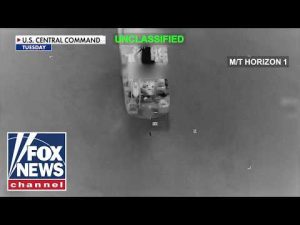
In the high-stakes game of geopolitical chess, Iran appears to have taken on the role of the perennial pawn that simply refuses to leave the board quietly. The latest exchange of hostilities saw the United States Central Command flexing its military muscles by obliterating five Iranian oil tankers linked to the IRGC following an attempted Iranian attack on a US Navy warship. Secretary of State Marco Rubio, never one to mince words, made it clear that as long as Iran continues its unprovoked assaults, their oil tankers will keep meeting fiery ends. It’s a classic “you mess with the bull, you get the horns” scenario, albeit with a lot more international tension at stake.
Iran, apparently unfazed by the loss of their tankers, retaliated against the United States with missile strikes on Jordan and threats directed at shipping routes significant to Kuwait and Bahrain. This escalation serves as a prime example of the regime’s relentless quest to maintain some semblance of influence on the global stage, despite the looming shadows of economic ruin. The strategy seems to hinge on one simple concept: if they can’t win the skirmishes, they’ll try to make the cost unbearable for everyone involved. It’s a bit like a schoolyard bully who, even after repeatedly getting a black eye, insists on spoiling recess for everyone else.
America has more than a few cards up its sleeve. The masterminds over at the Pentagon recently executed an impressive covert operation in the Strait of Hormuz, featuring Navy Seal divers, robotic boats, and special underwater crafts designed to sweep the waters clean of mines. It’s the sort of high-stakes tactical operation that wraps technological prowess and sheer audacity into a neat package labeled “Don’t try this at home.” It took four months, but the operation ensured that those vital shipping lanes remained open, safe, and free from the hazardous trinkets Iran hoped would deter everyone and anyone from their international business.
Iran, on the other hand, seems determined to play the part of the thorn in America’s side, counting solely on the hope that the international community might eventually tire of these costly engagements. Their goal appears simple: outlast the opposition and, maybe, just maybe, bring the United States to the negotiating table on their terms, a plan that’s as likely to succeed as a cat herding convention. The Trump administration, however, remains committed to high-pressure tactics both economically and militarily, refusing to give an inch until Iran backs down.
This tit-for-tat interaction showcases a region teetering on the edge of conflict and diplomacy. Iran keeps playing house of cards with a gusty breeze called United States threatening to blow them over at any moment. The ayatollah’s regime appears unrelenting in its mission, but time will tell if their house of cards comes crashing down or if they pull off an improbable stalemate. For now, all eyes remain on the Strait of Hormuz, where America’s strategic movers are far from calling it a day.