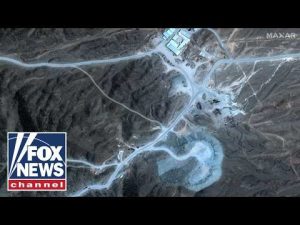
In the tangled world of international politics, the United States is taking a sharp turn when it comes to dealing with Iran, according to the latest dispatches from the conservative side of news. Apparently, Secretary of State Marco Rubio has shared with allies that military strikes on Iran are not on the immediate agenda. Instead, the focus will be on squeezing the Iranian economy tighter with sanctions. Isn’t it just delightful when diplomacy means turning the screws through financial means rather than deploying military might? This approach is as refreshing as a cold glass of milk in July – plain, without too much flair, but steady.
While the military option sits on the shelf for now, it’s not entirely forgotten. The Strait of Hormuz remains a hotspot of tension. President Trump, in his usual dramatic flourish, has issued warnings about keeping it safe and mine-free. The President’s signals through Truth Social suggest a “no mine policy” is strictly in place, and any funny business by Iran will meet Uncle Sam’s robust response. The Navy and Space Force are on high alert, keeping an eagle eye on the region. Given the strategic importance of this waterway for oil exports, it’s no surprise that it’s a point of contention. But with the military watching like a hawk, there might just be less mischief afoot.
Iran, of course, insists on playing its part in this diplomatic waltz. Iranian officials claim the Strait poses risks to vessels, a narrative they’ve been reiterating with vigor. Their foreign minister is engaged in negotiations with neighbors like Oman and Pakistan, trying to hammer out some regional solutions. Who knew diplomacy could be so full of chatter and meetings? The proposed plans for joint mine clearing sound like a step in the right direction, but as always, actions speak louder than words. If Iran is serious about peace, they’d do well to ensure their messaging aligns more closely with their actions.
But let’s not kid ourselves; the news from the Middle East isn’t all sunshine and roses. It’s been five somber years since the deadly bombing at Abbey Gate during the U.S.’s rushed departure from Afghanistan. This event still hangs heavy over American foreign policy discussions. The chaotic end to a 20-year engagement has left scars not just on the political landscape, but on the many service members and local allies who put their lives on the line. While the administration clings to its foreign policy decisions like a dog with a bone, the people who lived through those harrowing days continue to recount their experiences, keeping the stories and lessons alive against Washington’s seemingly forgetful nature.
Yet amidst the shadow of this past debacle with Afghanistan, conversations swirl about lessons not yet learned as new challenges with Iran loom. Military veterans and analysts alike stress the importance of having strong local alliances and the dangers of leaving allies in the lurch as things get tough. There are echoes of that sentiment in today’s policies toward Iran – the emphasis on diplomacy and economic pressure over military engagement suggests a desire to tread more carefully. But whether these lessons will stick, or become another footnote in the annals of political hand-wringing, remains as uncertain as ever. In the grand scheme, it seems the gears of diplomacy and war continue to turn, ever so slowly, in the intricate dance of global politics.